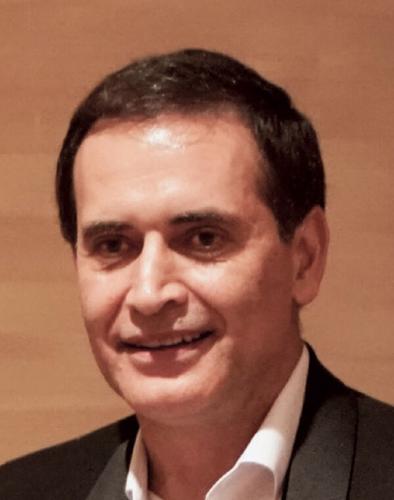



Afshin Cangarlu
Like just about every franchise executive, Afshin Cangarlu was approached many times by private equity groups wishing to purchase Stratus Building Solutions, the commercial cleaning franchise he and a business partner bought in 2015. But he had issues.
“One, our company continues to grow at 25 to 30 percent a year, systemwide. Why would we want to sell now, when our company is still growing?” he said. Two, “we were enjoying the company and enjoying the growth, the way we wanted it to run. When you sell, you basically become employees.
“And thirdly, it was going to really have an impact with our master franchisees and our system as a whole. With all those reasons, we always just held back.”
Last year at the International Franchise Association’s annual conference, he saw a booth with an eye-catching headline: There is an alternative to selling to private equity, it said. “We were like, all right, let’s see what this is,” said Cangarlu. Sean Morrison of Diversified Royalty Group manned the booth.
“This” turned into the first so-called royalty transaction in the United States for Morrison and Diversified, the publicly held Canadian company Morrison founded in the early 2000s. The “unique” structure of the transaction “generates a meaningful liquidity event while selling no equity,” Morrison explains.
Diversified Royalty buys the trademarks and intellectual property from the franchisor in return for a 2.5 percent royalty on all stores in the system. The price paid for the trademarks is typically 9 to 10 times EBITDA, or cash flow, Morrison said, “so we own that and they get capital gains treatment” in taxes.
“Immediately, we license them back to the franchisor, so they can open up new franchises” and collect full royalties. “So, the owners experience a meaningful liquidity event, but the equity ownership of the business is unchanged.” As the franchisor grows, founders can “monetize that incremental growth,” Morrison said.
Diversified has completed many such deals in Canada but, until Stratus, had not done one with a U.S.-based franchisor. “We’ve been yelling from the mountaintops for five years. In the U.S. it’s been, ‘That’s cute, but it’s not being done here.’”
After the first encounter with Morrison, “I still didn’t believe it,” said Cangarlu. “We get to keep the full ownership of the company, you will sit on our board but you have no voting rights, and the future growth is going to be ours—all of the things we always wanted to do, but yet be able to monetize the assets that we had up to that point.”
By summer of last year, they had a deal structure in place. Like in any deal, “you have to have a strong CFO, and you have to have good audited financials, a solid FDD, everything has to be lined up. But once we passed that, and we figured out the tax situation, then it was pretty easy,” Cangarlu said.

Stratus Building Solutions crew members clean commercial spaces.
“Being the first in the U.S., on both sides we had to do some work on figuring out the tax situation. In Canada, obviously how they’ve done it may not work the same way in the U.S.,” he added. Ultimately, accountants structured the deal so it would be taxed as capital gains on the federal level.
Cangarlu paid off some debt with the proceeds, and will use capital to expand internationally, to Australia, New Zealand and the United Kingdom. A former software company executive, Cangarlu and his business partner bought the master license in Southern California and L.A. after connecting with the founders. They acquired the brand in 2015 and moved corporate headquarters from St. Louis to Los Angeles.
Back then, master franchisees numbered in the low 20s, “and now we have 70. We had 1,000 units, now we have 3,000,” Cangarlu said, and he wants others to know about the model. “You can still monetize the assets that you have, but yet maintain the full control and ownership and realize growth in the future.”
And Morrison’s not quite so lonely on that mountaintop. “It’s like everything in life, you’re prospecting, you’re getting connections. One deal is awesome, the second one is kind of cool, and the third one is ‘Oh yeah!’ People start coming up, ‘Wow, how does this work?’ Then you have momentum for deal flow coming at you,” Morrison said.