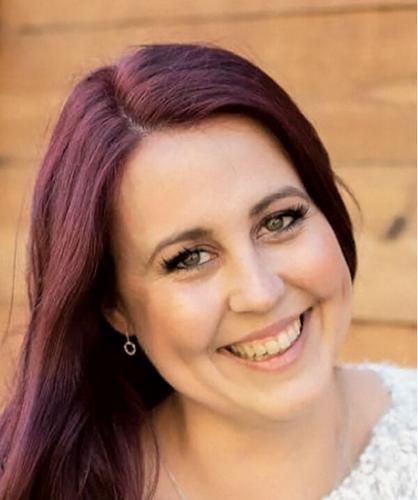


“We become known as somebody who contributes and does amazing things with the communities we’re in.”
— Natalie Perkins
BACKGROUND
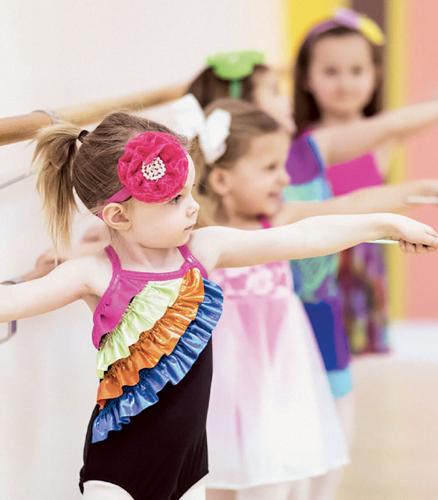
• Perkins created Bella Ballerina in 2011, offering dance classes and curriculum for dancers ages 18 months to 10 years.
• Bella Ballerina started franchising in 2016 and has since grown to 16 units in seven states.
Reporter Alyssa Huglen asks what makes emerging brand leaders tick—and presents their edited answers in this column in each issue. To suggest a subject, email [email protected].
What led you to start Bella Ballerina?
I was trying to start a completely different business at the time. I kept running into obstacles and not being able to get the funding. My daughter was a toddler at the time, and I had put her into dance class because I had grown up dancing and teaching.
When she was in classes, I wasn’t finding the experience I had growing up and one that I thought would foster that love of dance for her long term. It was either super strict ballet and competition schools, or it was more of a play group disguised as a dance class. I wanted something middle of the road and had the ‘aha moment.’ This is an industry I grew up in, that I am intimately familiar with. Why wouldn’t I just do this and make it better?
We teach through storybook themes. We start every class by reading a story and then use the visualization of the story to teach the content—every class has ballet, jazz and tap. At the end of the class, we dress up as that story character. These kids see themselves in these characters and identify with characteristics of who they want to become as people. We have all these characters who have amazing qualities, so it becomes much more of a life lesson as well as dance lessons.
How does Bella stand out from other franchises?
When it comes to working with kids, I feel like everything is so much more niche, and you are almost better off as a potential franchisee choosing something you also have a passion for. A lot of times, owners of kid-focused
businesses are owner-operators, so they tend to work in their business a little bit more than some other models. I think ultimately the main difference is that our franchisees have a passion for this specific realm of expertise, what we’re doing with kids and the way we’re affecting their lives.

What do you say to those with no dance connection?
We do have prospective franchisees that fit that mold, and usually their questions are very different. They’re not asking questions about curriculum and content development because they don’t know to ask them. They don’t really know what happens in a dance studio and how it’s run and the daily to-dos. They’re more interested in the business aspects; maybe their expertise is in corporate America, so they understand operations more.
The potential franchisees that are dancers are asking the other questions: What does your curriculum look like? How is it developed? What is your choreography like, and how much of that is created for you? It’s nice to have both because if you’re an owner who doesn’t have a lot of dance experience, we have owners who do, and you can lean on them. I think then moving forward in the franchise process, they feel much more comfortable.
What does the relationship look like between franchisees and their respective communities?
We are a huge part of our communities because a majority of students at our studios are coming from a five-mile radius around where they’re located. I think it’s sort of this function of the franchisees that we have as well. They are all women with amazing, huge hearts, and so anything they can do to give back to their community, they jump at the opportunity. We very organically become known as somebody who contributes and does amazing things with the communities that we’re in.