
Sean Tresvant considers himself a consumerist CEO. “It's really understanding what makes consumers tick, what makes consumers have a feeling or emotion about your brand and what you need to do to make sure your brand's relevant for today or for tomorrow,” says Taco Bell’s chief executive, who is guiding the 8,500-unit brand as it works to attain global brand status.
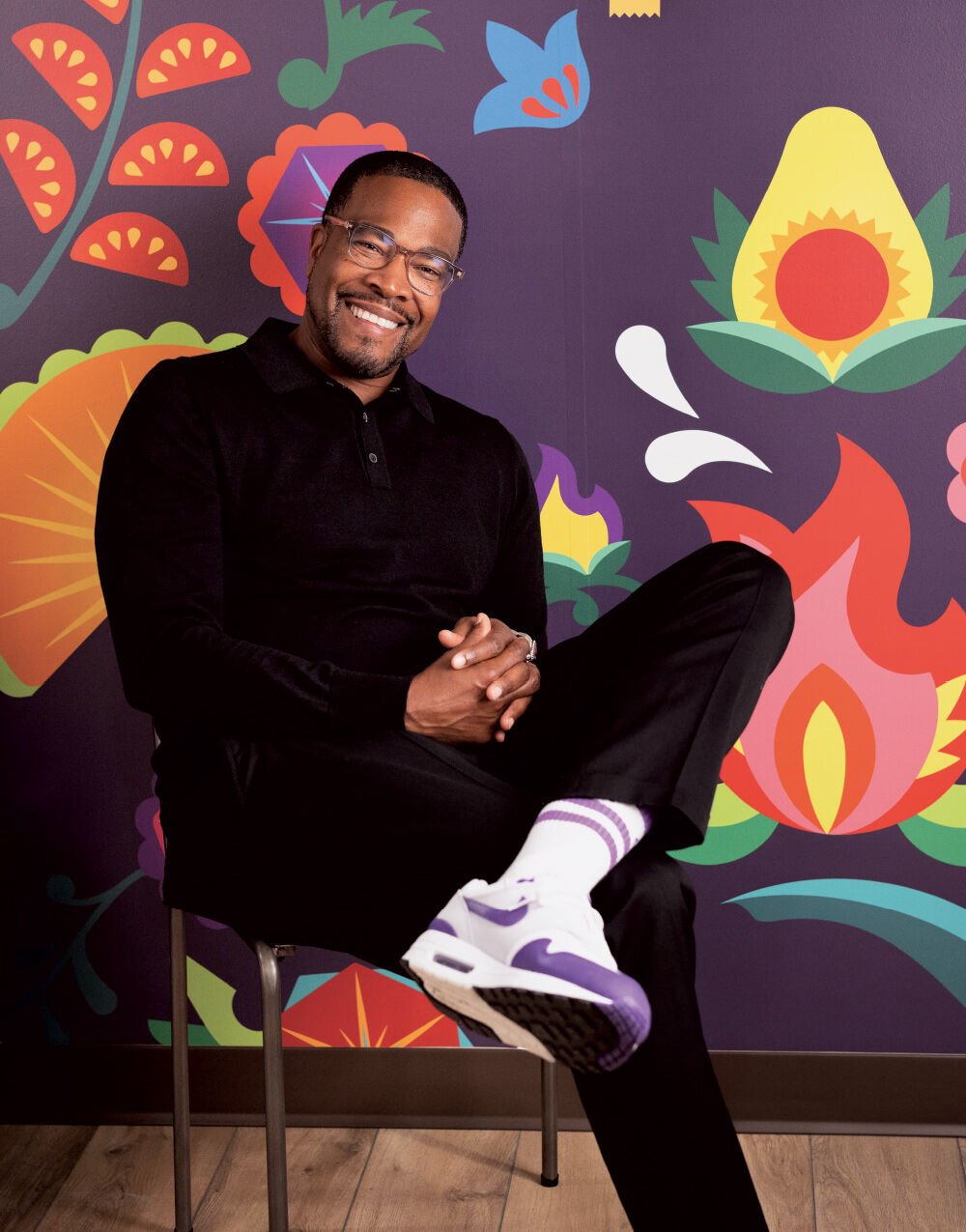
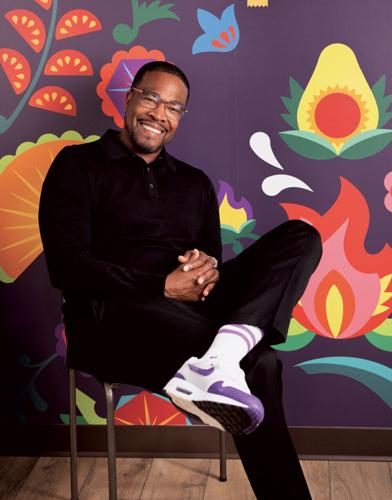
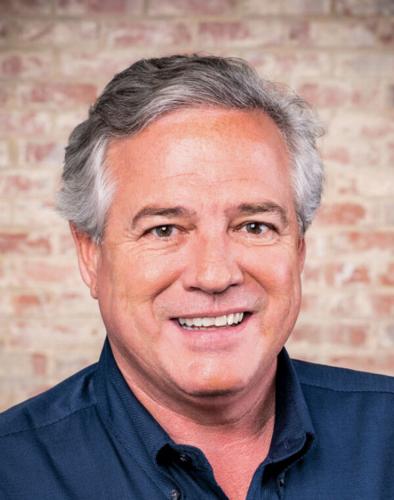
“We always say, whether it’s a piece of tech, a menu item or it’s a strategy—is it only Taco Bell? Could only Taco Bell do this? That’s kind of our filter,” says CEO Sean Tresvant, pictured here at Taco Bell’s headquarters in Irvine, California.
"Stir, scoop, tap,” says Sean Tresvant as he explains the proper technique for placing the right amount of Taco Bell’s seasoned beef atop the flour tortilla. “And when you apply the tostada shell, you gotta lightly press and then rotate it. That’s what spreads the beef and cheese just right.”
We’re in the test kitchen making a Crunchwrap Supreme and Tresvant, a few weeks removed from working his first shifts at a Taco Bell in Los Angeles, is in instructor mode. The CEO of a nearly $16 billion fast food empire, he’s as curious about how team members create a cheesy street chalupa and tackle a torrent of drive-thru orders at 1 a.m. as he is about the needs of a 300-unit franchisee wanting to accelerate development.
So, what is it like working the drive-thru during a late-night shift at Taco Bell? “The line moves pretty fast, and making a Crunchwrap is a lot harder than it looks,” says Tresvant, who during his three shifts at different dayparts notes he served just about every type of Taco Bell customer. High schoolers shouting orders. Parents in minivans. Others in Mercedes G-Wagons. And yes, cars with clouds of cannabis smoke billowing from the window. It is California, after all. And, frankly, it’s Taco Bell, a brand that hasn’t shied away from its role in satisfying late-night cravings.
Taking that edgier approach and marrying it with the necessity for an 8,500-unit brand to appeal to broad cross-sections of society is where Tresvant’s focus has been rooted since joining Taco Bell as chief brand officer in late 2021. And now as CEO, a role he assumed in January following Mark King’s departure, the 54-year-old aims to ensure a brand that’s been around for more than six decades is positioned to thrive no matter where the winds of consumer behavior blow next.
Related: Xponential Fitness Taps Former Taco Bell Chief as New CEO

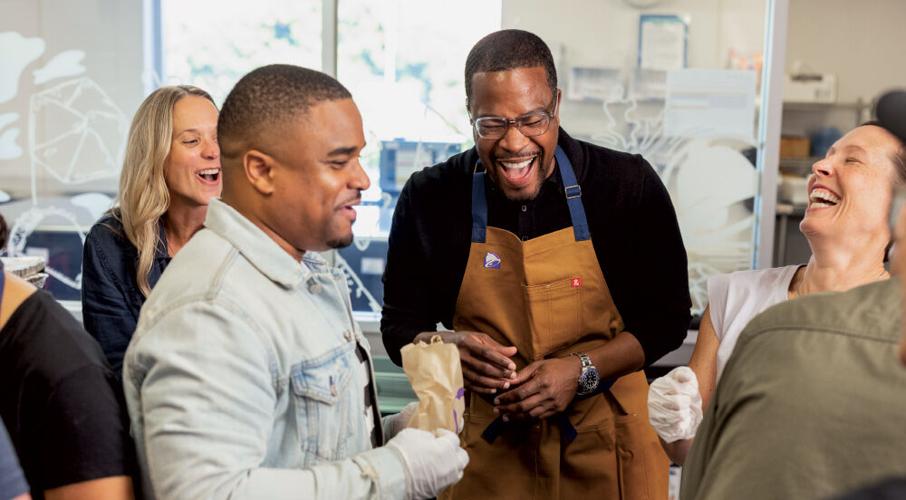
CEO Sean Tresvant, center, has some fun in Taco Bell’s test kitchen, where he’s joined by team members (from left) Nola Krieg, Robert Brown and Tara Hinkle.
Constructing the cultural rebel
As a 5-foot-11 guard playing basketball for Washington State University, Tresvant thought for a time he would follow his dad, John Tresvant, into the NBA. His size and skill said otherwise, but becoming a sportscaster seemed realistic.
It was the early ‘90s, “SportsCenter” was hot and with a master’s degree in communications the newly graduated Tresvant thought he could be the next Stuart Scott. Numerous resumes went out, but the job Tresvant landed was as a merchandiser at Gallo Winery. Stints at soupmaker Campbell’s, PepsiCo and “Sports Illustrated,” where he was executive brand manager, followed and along the way he earned his MBA.
When he came to Nike in 2007, Tresvant was keen on the idea of creating cultural ties between brands and their consumers. He spent the next 15 years doing just that, particularly with the Jordan Brand as he flexed his consumerist approach. He’s doing the same at Taco Bell.
“It’s really understanding what makes consumers tick, what makes consumers have a feeling or emotion about your brand and what you need to do to make sure your brand’s relevant for today or for tomorrow,” says Tresvant, now sitting in his office at Taco Bell’s headquarters in Irvine, California.
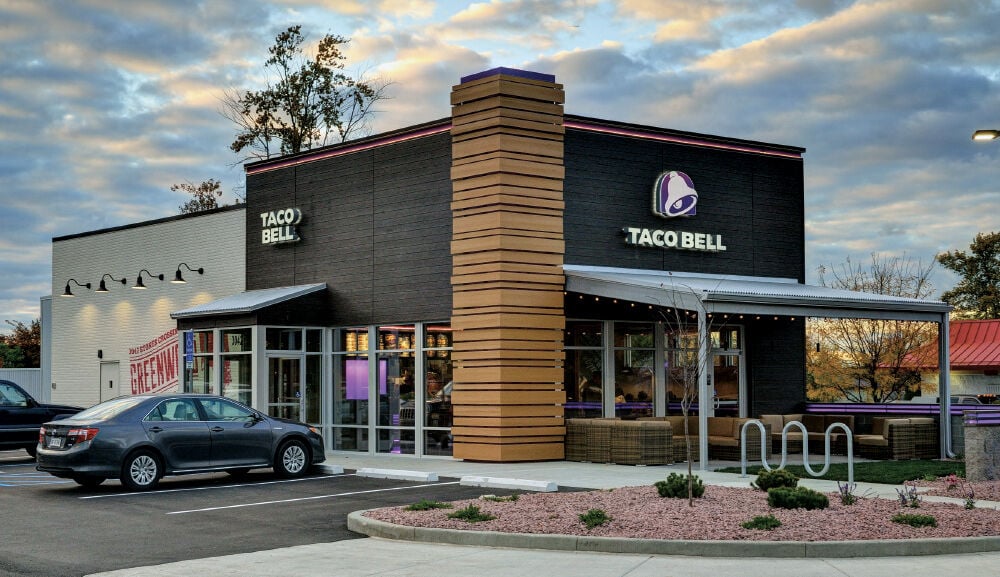
Taco Bell has more than 7,600 restaurants in the United States, while its international unit count is less than 1,200, a number the brand is working to increase as it devotes more resources to global growth.
Nods to Nike, where he says he earned his Ph.D. in marketing, are everywhere. There’s the Shepard Fairey print of a Tar Heels–era Michael Jordan, which Tresvant notes is one of just 11 made, along with Nike Dunks customized in Taco Bell colors. Perhaps most delightful is a Michael Jordan “Wings” poster, altered to feature Tresvant, arms outstretched, palming not a basketball but a chalupa and with Gidget, Taco Bell’s former chihuahua mascot, perched on his shoulder.
Upon arrival at Taco Bell, Tresvant found the brand’s positioning “was a little fuzzy.”
“I think they had it, and then as of late, they lost it,” he says, noting when he asked other leaders what the brand stands for or who it speaks to, he’d get four or five different answers. With some sharpening, not on demographics but psychographics, the team identified the Taco Bell customer as one who’s pushing boundaries, thinks differently and embraces the unconventional.
“We’re a mass brand that’s going to sell to everybody, but who we’re going to speak to is this muse called the cultural rebel,” says Tresvant.
Everything—from the menu to social media content and brand extensions to Taco Bell’s physical restaurants—filters through the cultural rebel. That’s simple to say. But how does rebellious originality play out for a brand that wants to sell its food to millions of people?
Consider the case of Doja Cat and the Mexican Pizza. In the condensed version of the story, the rapper and singer tweeted her displeasure over the pizza’s disappearance (menu streamlining led to its removal in 2020) and later with colorful language demanded Taco Bell bring it back. Fast forward to April 2022 and Doja Cat is shouting about the return of her beloved refried bean and beef pizza from the stage at Coachella.
“The way we brought it back wasn’t Doja as a spokesperson,” Tresvant points out. “It was more Doja being Doja. We didn’t script her … we kind of let her be herself, which is what the Taco Bell brand is all about.”
Side note: It wouldn’t be the restaurant business without a hiccup or two. The Mexican Pizza proved so popular stores had to halt sales because they were running out of ingredients. It returned as a permanent product by September 2022 and Taco Bell sold 45 million pizzas that year.
Related: How Red Chickz, Taco Bell Master Engagement on TikTok
True love for Taco Bell was likewise the catalyst for the brand’s relationship with NBA superstar LeBron James, who became the face of its push to “liberate” (an apt term for a rebel) the phrase “Taco Tuesday” from its trademarked status. The marketing success of that campaign—and its legal triumph as Taco John’s, which held the trademark in 49 states since 1989, and a small restaurant in New Jersey, abandoned their usage in 2023—set the stage for more commercials and ads featuring the four-time NBA title winner.
Those and other tactics help Taco Bell achieve what Tresvant calls “big, buzzy brand” status by integrating sports, entertainment and music with food. The food, and Taco Bell’s position as a value disruptor, are equally consequential to the brand’s success now and in the future.

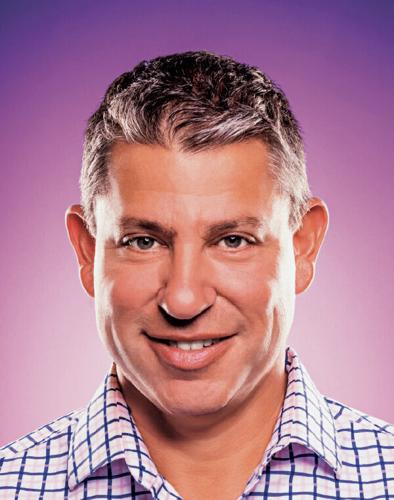
Scott Mezvinsky, Taco Bell's president of North America and international, says the $7 Luxe Cravings Box is an example of the brand's approach to differentiated value.
Developing differentiated value
Scott Mezvinsky, president of North America and international, calls it “our magic formula,” with four components to drive strong transactional growth and sales growth.
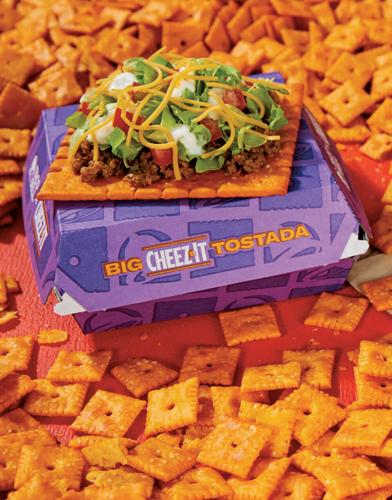
Brand buzz, primarily with product innovation (think the Big Cheez-It Crunchwrap this year or the Doritos Locos Tacos phenomenon of 2012), is of course key. Leading on value, offering new category entry points and leaning into digital round out the equation.
While other quick-service restaurants are going hard on a $5 price point, Taco Bell began the year with its rollout of a Cravings Value Menu featuring 10 items under $3.
“It’s not just the number of items, it’s the differentiation of the products,” says Mezvinsky, calling out the inclusion of new options such as a chicken enchilada burrito and loaded beef nachos. It’s an everyday value platform Taco Bell can keep innovating against heading into 2025, he continues, while the introduction in June of the $7 Luxe Cravings Box hits a promotional value note.
“We believe it’s about what you get for the price point you pay,” he says of the five-item Luxe box. “We see it in our data. You know, customers get that. They would rather spend $7 and get premium items, an abundance of value, and really say that this is a great value for what I’m paying.”
Another new launch this year, the Cantina Chicken menu, offers consumers an additional entry point into Taco Bell and is helping the brand flex further into the lunch daypart. Cantina Chicken, says Mezvinsky, “will make us more relevant in one of the biggest, if not fastest-growing proteins in the category.”
“We hope it gives consumers a new reason to visit Taco Bell, in addition to all the other great reasons they have,” he continues. “And certainly, we’ve seen the results of that come through.”
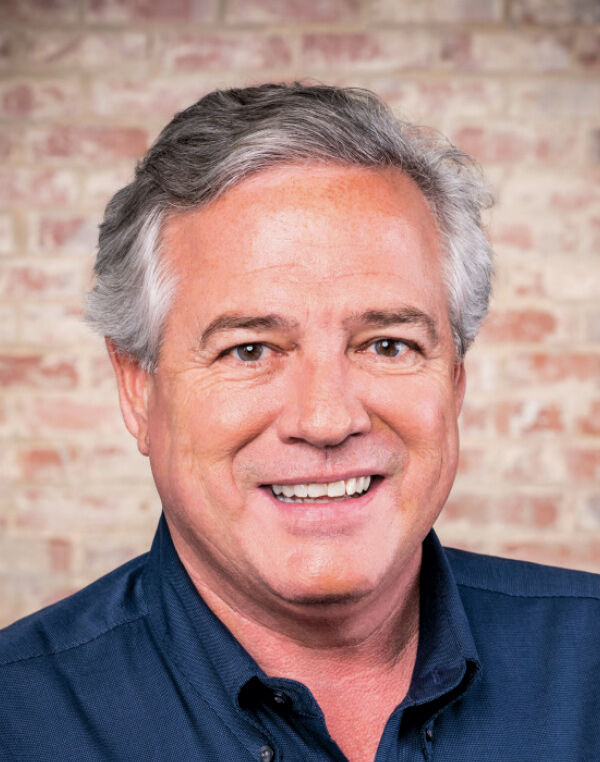
Joey Pierson
Mezvinsky is referring to parent company Yum Brands’ second quarter earnings released in August (the company’s Q3 earnings call is November 5), in which Taco Bell remained a bright spot in Yum’s U.S. system. The new chicken platform helped drive 5 percent same-store sales growth at the brand, which represents 37 percent of Yum’s divisional operating profit.
Joey Pierson, CEO of Tacala, Taco Bell’s largest franchisee, credits the Cravings Value Menu and Cantina Chicken lineup for helping improve average check for the 366-unit operator. The ability of the brand to maintain its cultural relevancy, meanwhile, is a foundational benefit.
“I think the cultural rebel is a great example of making sure that we are staying in tune with the next generation consumer in order to not end up being a Sears Roebuck,” says Pierson, who’s led Birmingham, Alabama-based Tacala since 2001. Ranked No. 13 on the Franchise Times Restaurant 200, Tacala did $693 million in sales in 2023.
Tacala is often out front in testing new technology and store prototypes. While it’s not among the initial set of restaurants deploying artificial intelligence voice technology in its drive-thrus—Mezvinsky couldn’t discuss early brand results just yet but says voice AI is in about 300 stores—Tacala did open just the second location of the brand’s Evolve model.
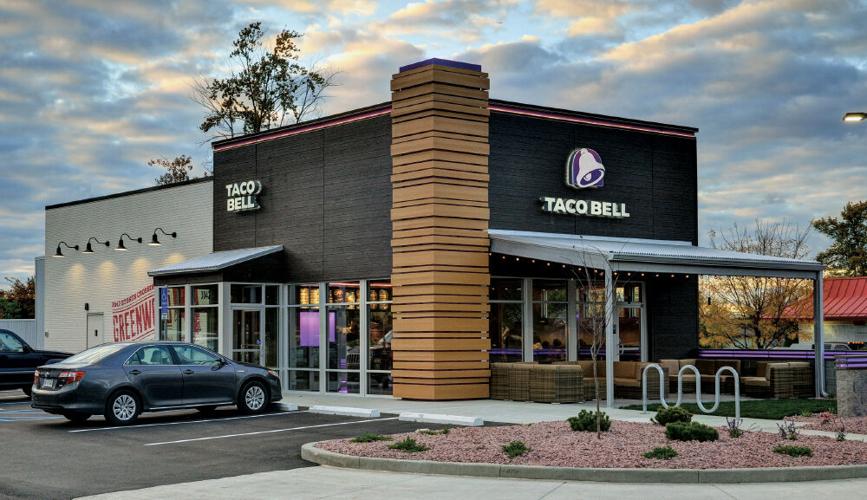
The drive-thru-only, digital-forward prototype, an evolution of the Go Mobile design introduced in 2023, operates sans seating and, says Tacala Chief Operating Officer David Morrison, is “a great asset.”
“Seventy-five percent of our business is still drive-thru,” says Morrison, so where the digital-focused model shines is in making it easier for the other 25 percent of customers to access the brand. “Dedicated parking spaces for mobile and delivery customers. It’s got the kiosk out front, it’s a lot more accessible from that standpoint. And so if you’re on the go, you’re on the move, it just kind of makes sense in a lot of ways for the different channels of sales versus a more traditional build.”
Continuing to innovate on digital, the fourth piece of Taco Bell’s magic formula, will be a “big, big unlock,” says Mezvinsky, as Taco Bell has a $3 million average unit volume in its sights. Six years ago, the brand’s digital sales were virtually zero; in 2023 it hit a digital sales mix record of 31 percent.

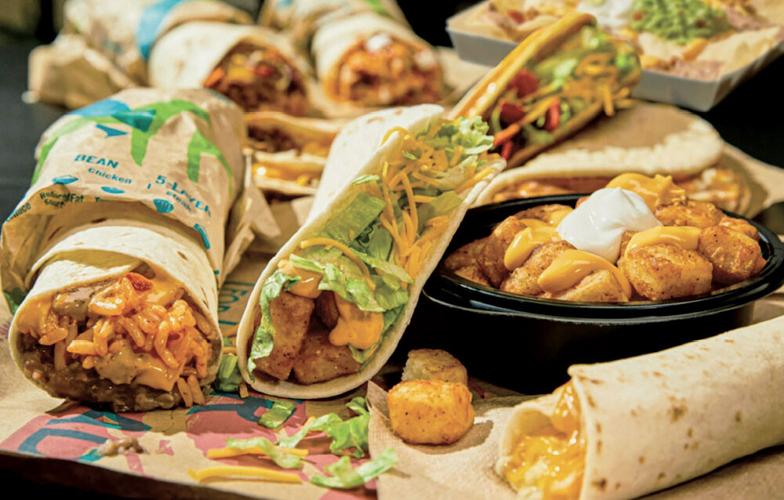
Taco Bell’s Cravings Value Menu, which the chain unveiled in January, features 10 items under $3, including a new chicken enchilada burrito and flatbread melt.

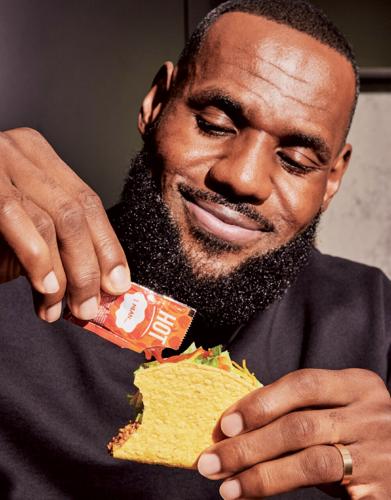
LeBron James became the face of Taco Bell’s push to liberate “Taco Tuesday,” and the NBA star is now appearing in more ads for the brand.

The Big Cheez-It Tostada is a new menu item this year.
Digital channels enhance the ability for consumers to customize their orders, notes Mezvinsky, a big advantage. And “on average, we have a higher check through kiosk and most of our digital channels, so it drives both top line and bottom line for our franchisee partners.”
Taco Bell corporate is its own largest operator, with 488 company-owned restaurants, meaning it’s able to test and prove out tech upgrades or other initiatives before turning next to early adopter franchisees, he notes, “so we get credibility by doing it ourselves.”
Can we drop the ‘QSR’?
“Your tone is quasi-facetious, but you do not realize that Taco Bell was the only restaurant to survive the franchise wars,” Sandra Bullock’s sidekick cop character tells a newly cryogenically unfrozen Sylvester Stallone. “Now all restaurants are Taco Bell.”
With 1,159 international units to close out 2023, Taco Bell hasn’t achieved the global dominance depicted in the 1993 sci-fi action film “Demolition Man,” but Tresvant believes it’s well-positioned for incredible growth outside the U.S. Sibling brand KFC has more than 26,000 international units; Pizza Hut has 13,000-plus. To get Taco Bell anywhere close to those numbers, a shift both in mindset and strategy was needed.
Within Taco Bell, says Tresvant, the thought was always, “We want to be a great brand in QSR.” When he came in, “I said, can we just drop the ‘QSR’? I just want to be a great brand. I just want to be a buzzy brand. I just want to be a brand that competes with the likes of Google, Apple, Nike.” Those great brands, he continues, are global, and require a collaborative approach.
“Before, it was very siloed. It was like, this hand doesn’t talk to this hand, and this hand doesn’t talk this hand,” he says. Now, in team meetings, the international and domestic business come together, and with some structural adjustments “we’re ready to capitalize” on the international opportunity.
Amy Durini, who held global marketing roles at KFC before moving to Taco Bell in 2021, became the brand’s chief marketing officer for international in December 2022. Mezvinsky, who during his 20-year tenure at Yum was responsible for development in several global markets, added “international” to his title early this year.
Spain, Taco Bell’s largest international market, crossed the 100-unit mark in 2021 and today has 145 stores. In the United Kingdom, nearly 140 are open, with others spread across India, Australia and a couple dozen other markets. In many regions, notes Durini, not only is Taco Bell building its own brand awareness, it’s also building the Mexican category.

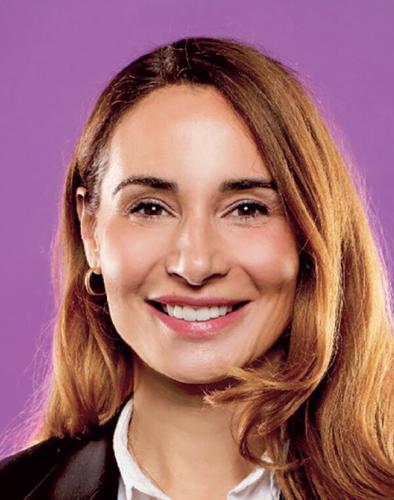
"When tacos win, we all win," says Amy Durini, Taco Bell's chief marketing officer for international.
“It is a challenging thing when you have to build a category and a brand at the same time, but also you think if you crack that category, you can own it,” she says. “We have to teach tacos and Taco Bell. So we say, when tacos win, we all win.”
Music, sports, fashion and food—areas in which Taco Bell is already skilled at integrating itself—are universal, notes Durini, and she’s able to leverage that approach to cultural
relevancy in different ways. In the U.K., for example, the brand’s Feed the Beat program—active in the U.S. since 2006—launched this year and is supporting up-and-coming artists such as High Vis, Neck Deep and Felixthe1st.
In India, where Taco Bell has 127 restaurants, 31-year-old top cricketer Hardik Pandya is the brand’s first-ever ambassador for the market.
“We were able to bring a local cultural rebel to life through him,” says Durini. LeBron James, meanwhile, holds global sports icon status and, just as he did in the U.S., is helping Taco Bell take Taco Tuesday to a worldwide audience.
“People’s memory structure and emotional feel to this brand is something like I’ve never seen, and so it’s really important that we continue to do great things for people who love this brand, but also not be afraid to do new things to bring new consumers in,” says Tresvant.
“I don’t think you can be a great brand if you’re not taking big swings,” he adds, reflecting on the massive Live Más Live fan experience Taco Bell hosted in Las Vegas ahead of Super Bowl LVIII. With menu reveals, special performances and behind-the-scenes looks at food innovation, it wowed the 500 in attendance and garnered more than 7 billion media impressions.
What the brand’s next big swing looks like is anyone’s guess, but you can bet it’s something only Taco Bell can pull off.
About Our Top CEOs in Franchising
For this feature, now in its third year, Franchise Times identified 10 notable leaders who are guiding their brands through periods of growth, change and of course, challenges.