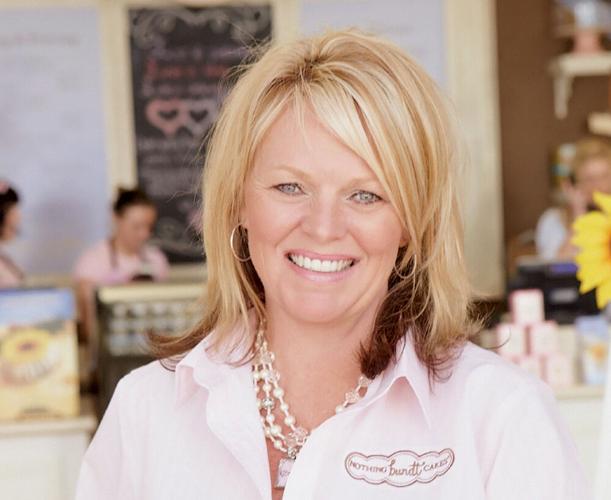

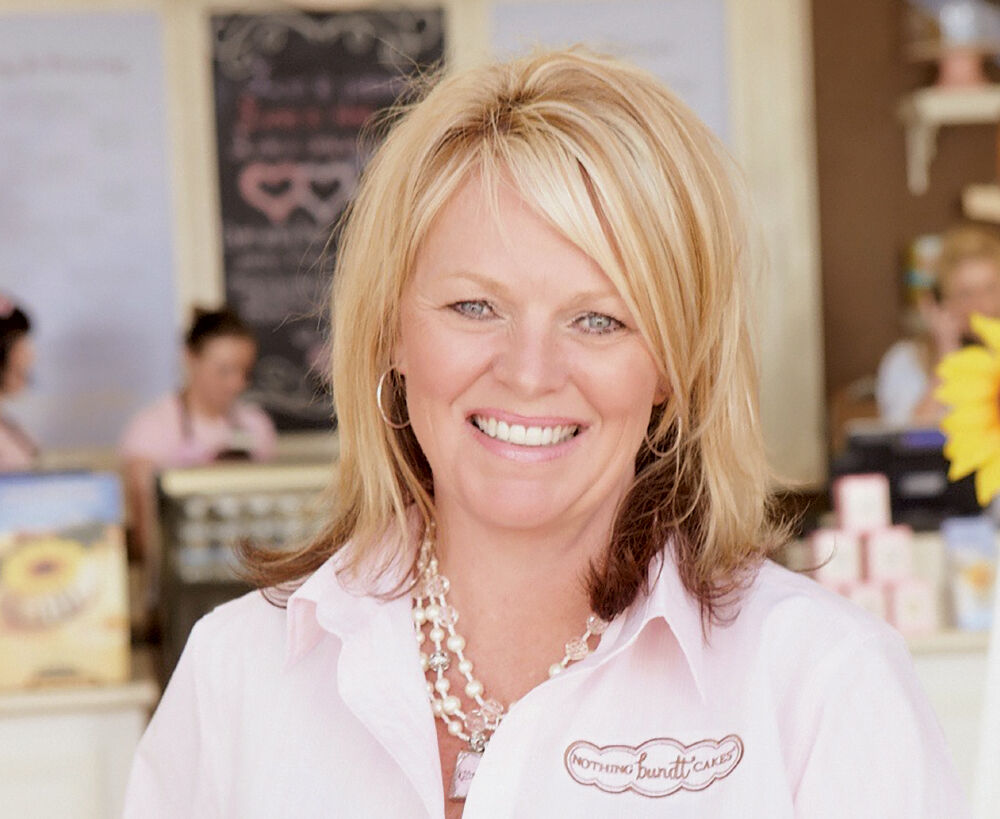
Dena Tripp, co-founder of Nothing Bundt Cakes, reinvested in the brand and held out for a much bigger exit.
When private equity came calling for Nothing Bundt Cakes in 2016, co-founder Dena Tripp did not exit stage left with a pile of cash as many do, including her fellow founder and friend Debra Shwetz. Instead, she told Levine Leichtman Capital Partners she wanted to plow her share of the proceeds back into the business and even increase her equity percentage because there was so much growth ahead.
“Dena said, ‘You guys are nuts. I think we’re in the second or third inning.’ Not only did this founder invest 100 percent of the value into her business, she even wrote a check on top of that,” recalled Matthew Frankel, managing partner at LLCP.
The private equity firm and CEO Kyle Smith got busy. “The AUVs and the margins of the units were incredible,” with average unit volumes last year pushing “north of a million” and unit level margins “north of 20 percent.” There were 179 bakeries at the time; “we saw an opportunity for that number to quadruple.” Technology systems needed, and received, a big upgrade. And the executive team needed more executives. “We upgraded a CDO, we upgraded a CFO, we upgraded a chief marketing officer,” Frankel said.
By the time Nothing Bundt Cakes was sold last year, to Roark Capital after a stiff bidding war, the store base had doubled. The revenue grew almost four-fold. The EBITDA or cash flow grew five- to six-fold. And the kicker: “We were able to sell the business for over seven times what we bought it for,” Frankel said. This time, Tripp exited.
Nothing Bundt Cakes was “in the franchising world one of the crown jewels” when it came to market last year, Frankel said, but Levine Leichtman had other deals to brag about too. The firm—which puts less leverage on deals than many private equity investors, about 3X vs. 6X or 7X, and agreed with Tripp’s demand to initially put none on Nothing Bundt Cakes—also sold Caring Brands and HomeVestors. “Those three businesses experienced average EBITDA growth of approximately 3.5X,” the nomination said.
Its purchase last year of Tropical Smoothie Café has Frankel revved up again. Their firm first saw the deal pre-COVID and began due diligence. But management pulled back when the pandemic arrived in the U.S., to first get a handle on how to operate. By the summer of 2020 many private equity firms paused deals and institutional lenders were getting cold feet.
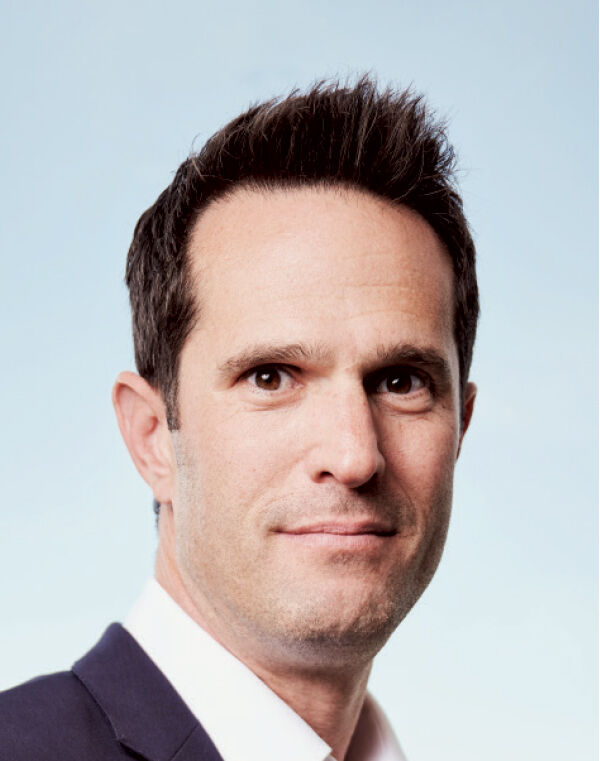
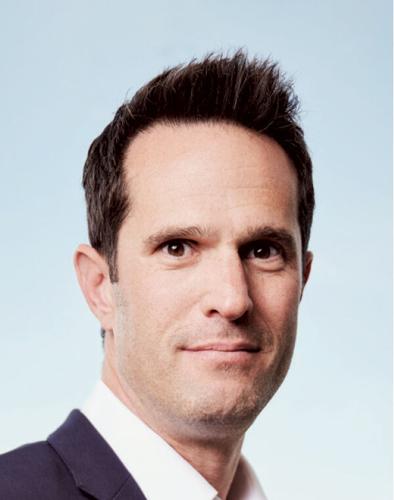
Matthew Frankel
“Debt markets in the summer of 2020 got much more conservative. The amount of leverage people could borrow went down and the price went up. But because we don’t rely overly heavily on the debt markets, it didn’t really impact us that much,” Frankel said.
“And then, we owned seven or eight other franchise businesses, and we saw trends.” Tropical Smoothie was “positioned incredibly well to capitalize on future growth, not only from a white space perspective, but also 75 percent of the orders were off-premises, pre-COVID.” He praises CEO Charles Watson, who comes from a franchise development background and has amped up staff to sell units; Tropical Smoothie had 1,039 stores at the end of last year. “Just domestically, we think we’ve tapped less than 25 percent of the available U.S. white space,” Frankel said.
As for Tripp, the co-founder of Nothing Bundt Cakes, Frankel still marvels at her choice to enjoy the ride with Levine Leichtman. “So despite the fact we had to pay a market-clearing price, suffice it to say, she could have sold her stake, retired and never had to work again, and her children would never have to work again. But that wasn’t what she wanted,” he said.
“She was a firm believer in the brand, and she was rewarded handsomely for it.”