


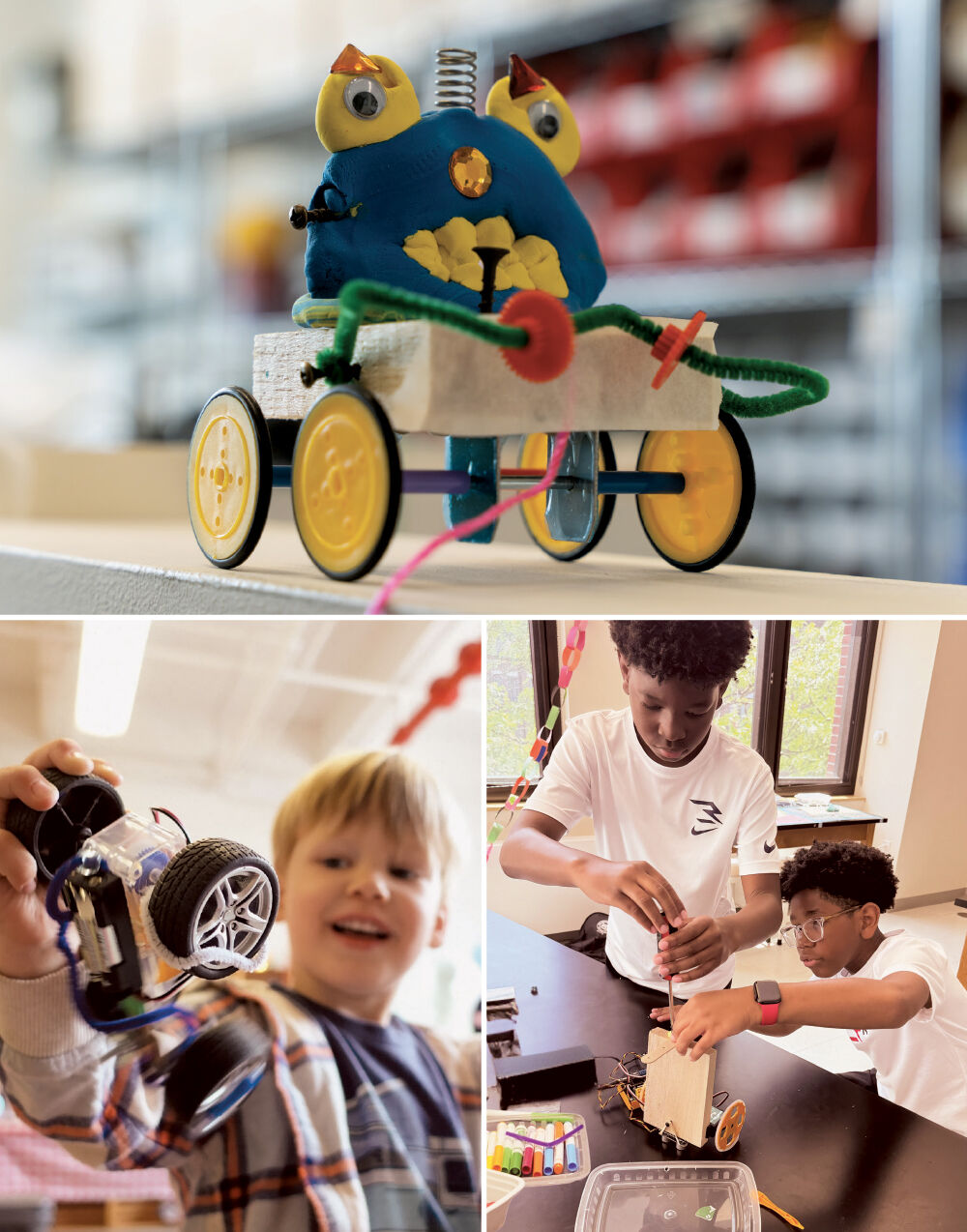
Brooklyn Robot Foundry
Concept: Jenny Young founded STEAM learning concept Brooklyn Robot Foundry in 2011, pulling from her background in mechanical engineering, design and manufacturing as well as her personal ties growing up in a family of creatives. “I wanted to create a space where kids were excited to build things, were comfortable failing and were put in a situation where they could fail in community with their fellow kiddos,” Young said, “and being able to learn that that’s okay. It’s actually really fun.”
Stats: The science, technology, engineering, art and math concept is based in Brooklyn, New York; it began franchising in 2022. The company has nine units in four states, with plans to open at least 12 units this year. The cost to open a unit ranges from $90,108 to $119,550. The company doesn’t disclose financial performance information.
Competition: Whether the economy’s up or down, Young said people spending money on their kids remains constant. As a result, competition spans across children’s enrichment activities in various categories. For STEAM offerings, Young sees many brands taking on a screen-based, coding focus. Brooklyn Robot Foundry, on the other hand, is “very much in the physical world,” with screen-free, hands-on activities children get to create and take home.
Challenge: Growth as an emerging brand has been a challenge, but one Young said she’s enjoying. “We are learning things about how to onboard people and how to teach it in different ways so different types of learners will be able to understand the things we’re trying to explain,” she said. “It then makes the brand so much more robust.”
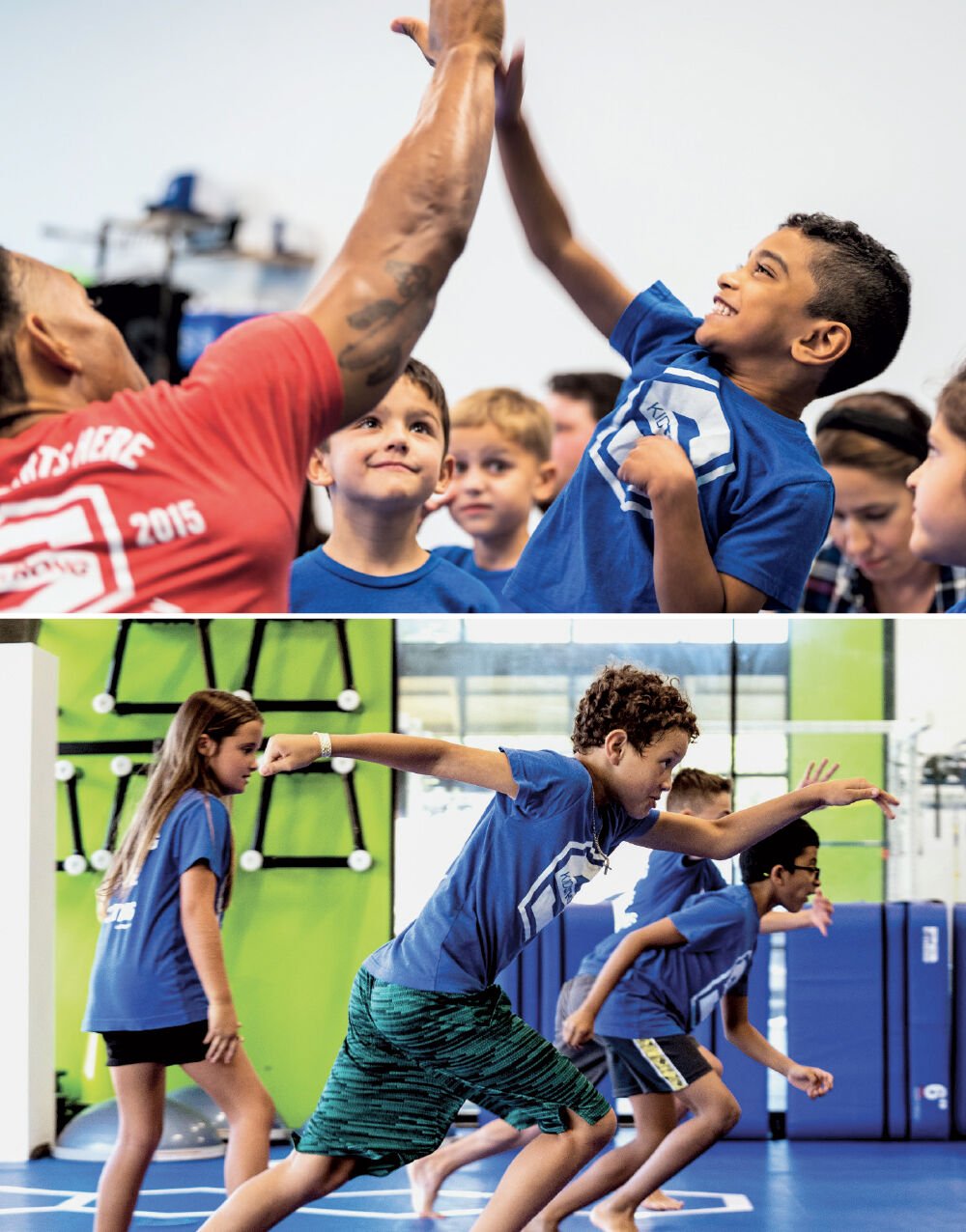
KidStrong
Concept: Husband-and-wife duo Matt and Megin Sharp co-founded KidStrong in 2015, along with business partner Lincoln Brown, after Megin noticed a positive correlation between children’s physical and socioemotional development as an elementary gym teacher. The Sharps created a children’s training facility in their home for their first child to learn developmental skills in early childhood. KidStrong began with weekly pop-up classes in a Lexington, Kentucky, warehouse. Its science-based, 45-minute classes promote physical, mental and socioemotional development.
Stats: KidStrong started franchising in 2019. It’s grown to 143 units, all but eight franchised. The company expects to open 45 more locations in 2025. The cost to open a KidStrong center is between $342,650 and $691,225. The company reported average sales of $1 million for the top quartile of franchises; for the bottom quartile, averages sales were $448,493.
Competition: The brand aims to stand out from youth activity concepts largely centered on play. KidStrong’s curriculum, designed and overseen by a pediatric occupational therapist and experts in children’s development, focuses on hitting milestones and developmental goals. “We really have a chance to lead this category for children, and there isn’t really any direct competition to what we’re building,” Brown said. “That’s a real testament to why we’ve been able to grow the way we have.”
Challenge: With rapid expansion, the brand’s co-founders emphasized the need to stay ahead by bringing on the right people to support franchisees. “Our job is to serve the franchisees and make everything really, really easy for them,” Brown said. “As we’ve grown fast … I think it helped us attract more talent to the team.”
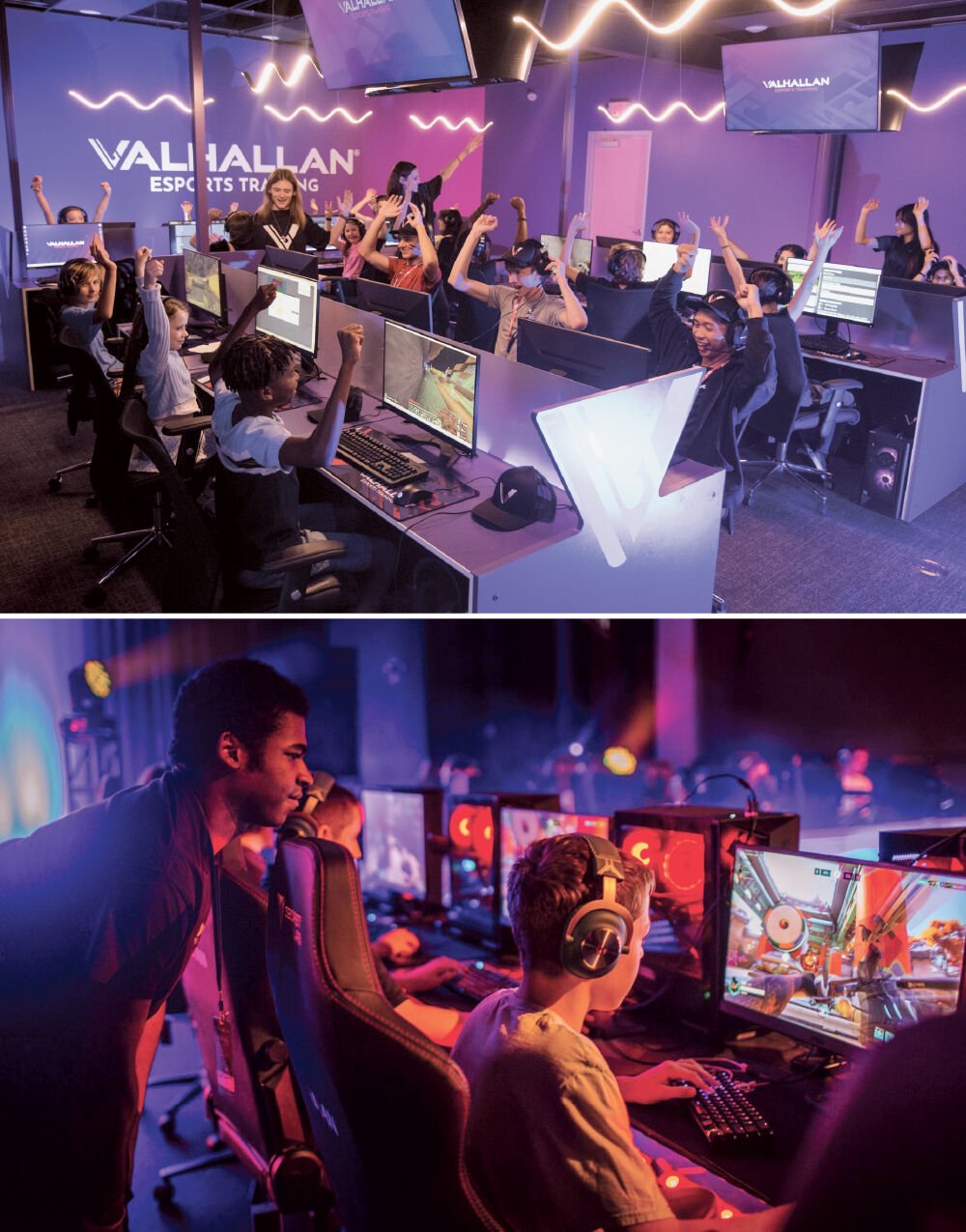
Valhallan
Concept: David Graham wanted to stay in the youth activity segment after selling kids coding concept Code Ninjas to Eagle Merchant Partners. That led to his next project, founding esports and gaming concept Valhallan in 2022. “I want to give kids a place where they feel they had their own spot,” Graham said. “A lot of kids don’t play sports, so how do they learn how to lose and how to win? How do they learn teamwork, leadership and all these great things you get from traditional sports? I thought we could do that with competitive video games.”
Stats: Valhallan has 20 units in 13 states. It’s slated to open three or four more locations this year. The cost open a location is between $82,950 and $115,400. The brand reported average monthly sales of about $6,500.
Competition: “It’s always going to be anything that takes the family’s attention away from what we’re doing,” Graham said. “There’s a lot of competition out there and a lot of activities for after school.” In the esports space, he said Valhallan stands out with its brick-and-mortar arenas. “I think we’re unique in that regard,” he said, “and kind of stand alone at this time.”
Challenge: Being mindful of financials when it comes to lenders, franchisees and consumers is crucial. “Disposable income in the consumer space is pretty tight,” Graham said. “Having a consumer base in that market that has the extra $200 a month per kid to put forward into something like this, with all the macroeconomic things going on, has been probably our biggest challenge.”
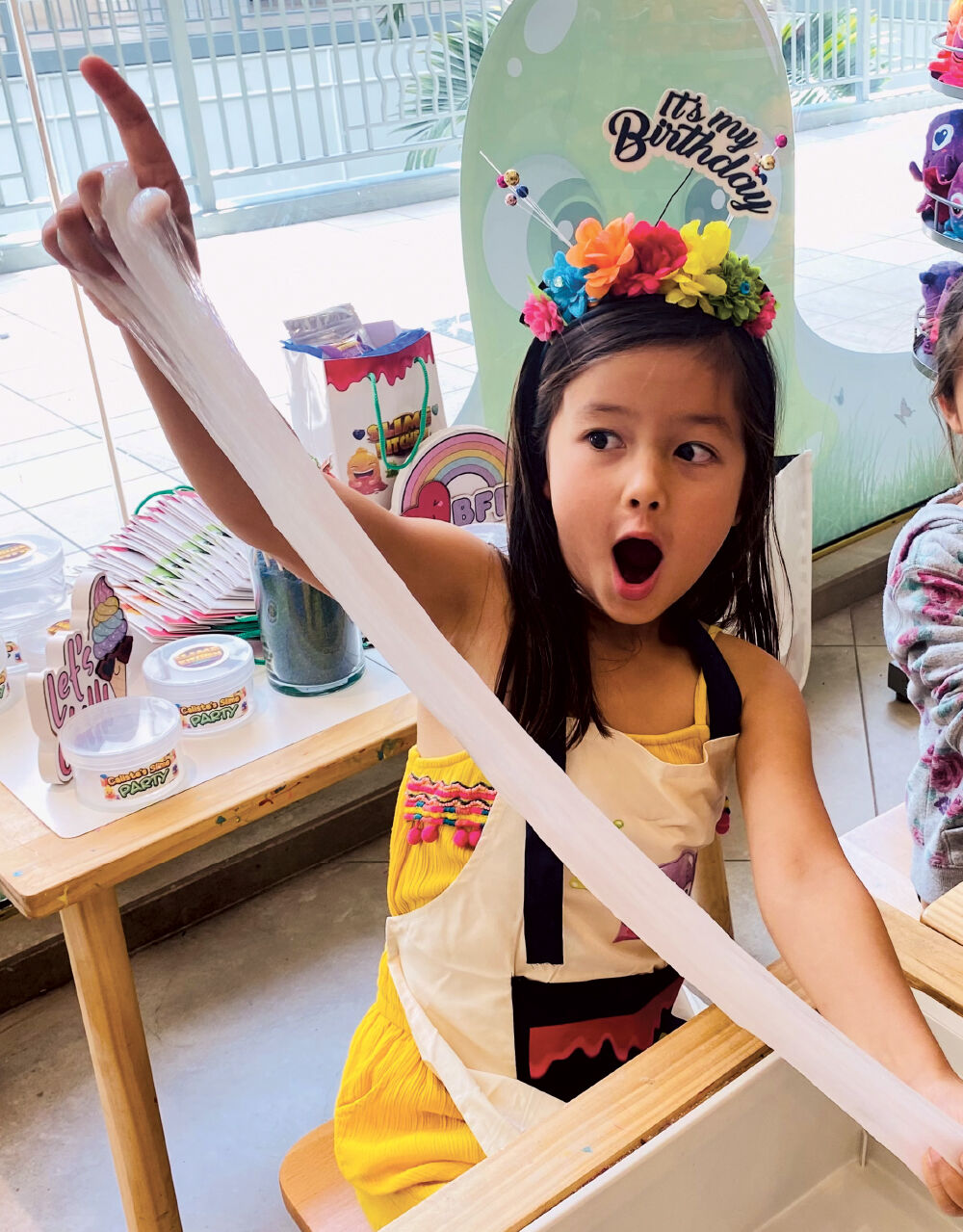
Slime Kitchen
Concept: Kathy Ando’s idea for slime-making experience franchise Slime Kitchen was born during the COVID-19 pandemic. “My daughter at the time was 6, and like every 6-year-old I had come across, she was also heavily consumed with slime videos on YouTube.” Ando recognized the benefits with sensory and emotional elements as well as the creative piece in customizing slime.
Stats: Slime Kitchen opened its first store in 2022 and began franchising last year. It has nine units in four states. Ando expects the brand will open approximately 15 more locations by the end of this year. The cost to open a Slime Kitchen is $105,500 to $169,500. It doesn’t disclose average sales.
Competition: “The demand and consumption of slime and slime content is massive—it’s consuming,” said Ando, and several players are in the segment. To differentiate itself, Slime Kitchen’s focus is on the customization of slime as opposed to the creation, letting kids decorate their slimes with textures, scents, colors and mix-in elements. “What we want you to do is come in and enjoy that last 20 percent and make it special for you,” Ando said. “We sort of take the effort out of enjoying the slime so you can just have fun.”
Challenge: When it comes to obstacles, Ando noted two: finding good help and maintaining discipline while scaling. “I don’t want to be that company that got bloated too quickly and wasn’t able to really support the franchisees and their growth,” she said. “What I want to do is be very diligent and prescriptive on where we grow and how we grow.”