



Today's franchise marketing leaders must consider multiple audiences using a variety of channels as they work to get their brand's message in front of consumers. Integration is the name of the game, but experts say understanding the nuances of each group is crucial.
Whenever acai concept Playa Bowls prepares a new marketing effort, the goal from the start is to connect with customers wherever they are—and on whichever app they’re using.
Brenna Trumper, integrated marketing and communications director at Playa Bowls, said the aim is to create a seamless experience whenever the brand is interacting with a customer. Such is the current landscape of marketing for many franchises, which are taking an omnichannel approach.
Regardless if it’s online or in-person, brands are streamlining their promotions to consolidate brand identity and reach the largest audience as possible. At Playa Bowls, a concept founded in 2014 with 300 units, this means preparing collective messaging for every platform, from the brand’s customer relationship management software, to its rewards program, as well as its social media and in-shop ads.

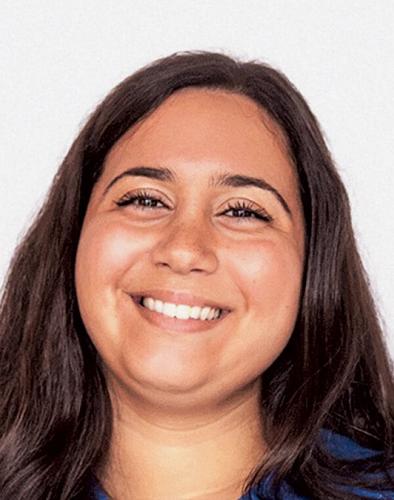
Brenna Trumper, director of integrated marketing and communications at Playa Bowls, says the acai concept uses a different voice across marketing channels while still delivering the same message.
“The organic growth of social media has a ton to do with it,” Trumper said. “We started in 2014 and kind of grew alongside Instagram, and our product is so Instagrammable with vibrant items. So, we really took that and ran with the power of that organic social growth and made it our core focus. It has helped us connect with our guests, build loyalty and keep us at the top of mind with our customers.”
Building an omnichannel marketing structure required a great deal of integration, as it involved connecting Playa Bowls’ point-of-sale system, online ordering services and rewards program to better incentivize guests. At the same time, while messaging with the strategy requires consistency, there is still room for marketing to vary depending on the platform in use.
“There are different voices we use by channel,” Trumper said. “We like to have a little bit more fun on TikTok because you’re really able to dive into trends, whereas when we talk to our Facebook audience, they’re more mature, so we try to educate around our products there and discuss the vibes. Then, with our Instagram, it’s kind of a mixture of both.”
A recent example of the omnichannel strategy in action for a specific campaign was in April during National Acai Day.
“That is our day, and we celebrated that by showcasing our brand, vibe and product through all of the awareness we put out,” Trumper said. “That spanned from PR, to social media and in-shop promotions, as well as digital promotions to maximize visibility. We also did a targeted email campaign and used our in-shop content TVs right near the POS at the register.”
Lori Abou Habib is the chief marketing officer at The Joint Chiropractic.
Understand the audience
In a different category, leaders at The Joint Chiropractic have to take a different approach to omnichannel tactics. Chief Marketing Officer Lori Abou Habib said historically, there’s been a focus to capture those already familiar with the brand or chiropractic care, and build awareness about it for those unaware.
“For the size and scale of the brand we are, the digital footprint works incredibly well for us to reach our customers,” Abou Habib said. “But we also have this opportunity at the upper funnel levels to really drive awareness and educate on the category itself, because about only half of the population is familiar with chiropractic.”
“At a macro-perspective, it’s figuring out how we balance capturing our existing demand, while creating new demand through marketing,” she continued. “The channel mixing has been very important with that. Going from what’s geo-targeted around the clinics to what is the scalable options for our entire footprint.”
To still put out unified marketing in an omnichannel campaign, Abou Habib said it starts with understanding the brand’s audience in totality, know the triggers that drive their behavior, and to be the answer to those triggers across channels.
“If I think of Joint Chiropractic, our core audience is united by looking to get out of pain,” she said. “Historically, we’ve been positioned around this idea of ‘wellness as part of your life,’ but we’ve recently made a shift and are working on a new campaign about ‘what does pain as a barrier look like,’ to try and tie into one of those triggers.”
The Joint then contextualizes the message across channels.
“Getting the short-hand of that story and relevant point expressed to the audience in the right channel, whether you’re an athlete or a mom lifting your kids up,” she said. “Depending on who you are, we figure out how we can talk to you across channels in relevant ways and present ourselves as a solution.”

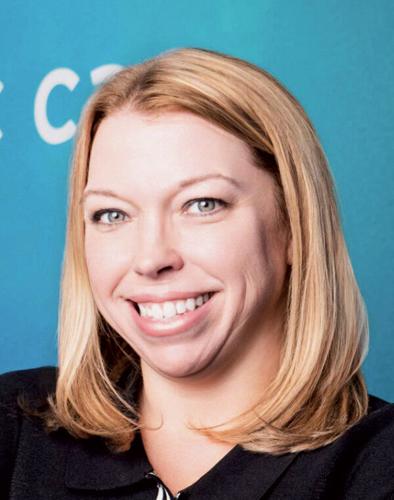
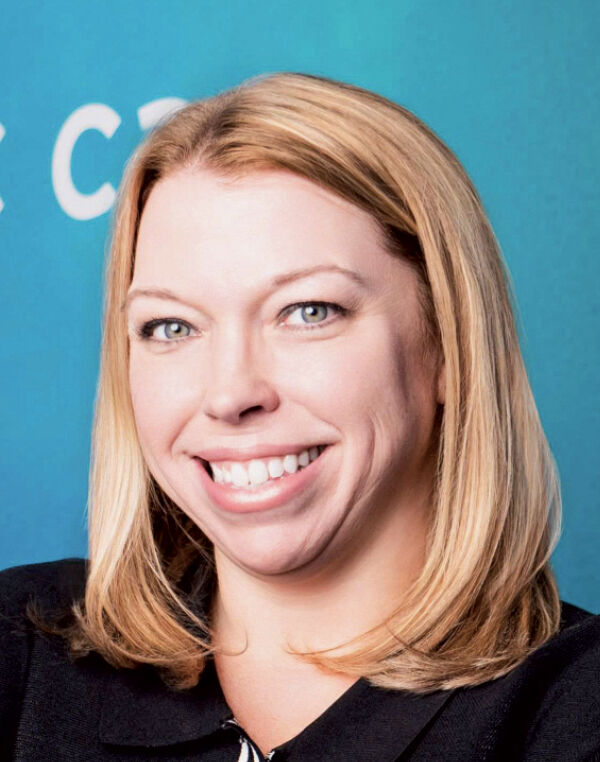
Jen Campbell is the president of Hot Dish Advertising.
Consider brand scale
At Hot Dish Advertising, which works exclusively with franchises, President Jen Campbell said omnichannel strategies are more important if there’s not broad brand awareness.
“Once we know who the individual is that we want to go after, then we can determine where we can reach that individual,” Campbell said. “We also have to understand if the brand is known, or if people are unaware of it, and that’s when omnichannel comes into play, because we determine how much advertising we have to do from an overall brand awareness standpoint.”
If brand awareness is low, more money is directed at building it, Campbell continued. “Our omnichannel approach is to be seen everywhere. So, the customer starts to see you in their everyday life, whether it’s scrolling on Instagram, by broadcast or direct mail. It’s a way to create more awareness, and we couple it with tactics which help take down barriers with consumers making a decision.”
The franchise model provides another layer to omnichannel marketing, with franchisor and franchisee needing to be included in the planning and rollout, Campbell said.
“It starts with the corporate marketing team,” Campbell said. “We want to know the overall objective and how we can support them. We also want to know what they’re asking franchisees to do at the guerilla level, so that we know from top to bottom what’s happening. We’ll usually meet with the franchise advisory council to give an update from the streets.”
Because of digitization, Abou Habib said another important tool for The Joint’s marketing tactics is the data, which can help the brand understand existing patient behavior and create campaigns for new audiences.
“We look at that data and learn how we can build structures to expand our reach or drive more behavior,” Habib said. “That’s one of the critical things in how we leverage our channels to work effectively across audiences.”
To help maximize reaching all of their targeted audiences, Abou Habib said the brand partnered with a new agency that will incorporate a “top-down” approach, feeding into The Joint’s omnichannel strategy. To coincide with that, the brand is also introducing a new mobile app to add another channel to the mix.