




Planet Fitness ended 2024 with nearly 20 million members across its 2,722 clubs. The company reported it increased systemwide same-club sales by 6.1 percent for the first quarter of 2025.
Health club industry reports peg permanent pandemic-related gym closures around 25 percent, or some 10,000 fitness centers, many of them independents. Major chains filed for bankruptcy, including Gold’s Gym, 24 Hour Fitness and, in a show of COVID’s lingering impacts last year, Blink Fitness. Honors Holdings, once the largest Orangetheory Fitness franchisee, is the in the midst of its own Chapter 7 bankruptcy process.
Contrast all that with the hundreds of gym openings for Planet Fitness, Crunch Fitness and boutique brand Club Pilates, and it makes sense that lenders and private equity firms continue their keen interest in certain players demonstrating resilience even in the face of headwinds.
“Brands like Planet and Crunch have scale and a very compelling value proposition. They have the marketing power, scale, sophisticated franchisees. They’ve got a value proposition that has shown to be cycle resistant,” said Jeff Poe, managing director and head of Fifth Third Bank’s restaurant and franchise group. “That specific segment has significantly outgrown the rest of the fitness industry in terms of membership.”
“That segment” is the high-value, low-price, or HVLP, category, and in addition to Planet and Crunch it includes the likes of Anytime Fitness, Snap Fitness, Workout Anytime and Retro Fitness. Planet Fitness ended 2024 with approximately 19.7 million members at its 2,722 clubs; Anytime has 5 million-plus members at more than 5,000 global locations; and Crunch reported more than 3 million members at its 500 gyms.
Poe described Fifth Third Bank as an early adopter in lending into the franchise fitness space, where it’s been active for more than a decade. Since the start of 2021, it’s raised about $4 billion of debt capital for Planet Fitness and Crunch franchisees, and helped drive the related debt markets, said Poe. It’s closed 12 M&A advisory engagements in the HVLP segment and, in an attention-getting deal in 2023, was involved on both sides of mega restaurant operator Flynn Group’s acquisition of 37-unit Planet Fitness franchisee Alder Partners.

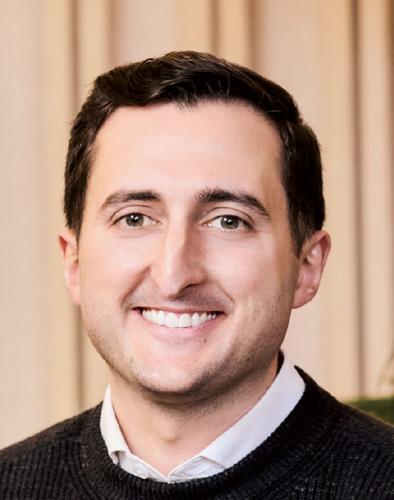
Jeff Poe is managing director and head of Fifth Third Bank’s restaurant and franchise group.
Health club membership grew to approximately 77 million members in 2024, a 6 percent increase year-over-year, according to the State of the Fitness Market report from investment bank Lincoln International and L.E.K. Consulting. HVLP gyms, along with luxury clubs in the vein of non-franchised Life Time, are outperforming the market, the reported noted, with budget- conscious consumers willing to pay membership fees typically between $15 and $30 per month.
In Planet Fitness and Crunch, systems with a growing number of large franchisees that operate dozens to upwards of 150 locations, Fifth Third lends on cash flows and ultimate value of the business as a going concern, said Poe.
“Our clients in these brands are anywhere from high single-digit EBITDA to $120 million plus in EBITDA,” he said, referencing earnings before interest, taxes, depreciation and amortization. The size of the credit facilities for those clients will range depending on their scale, and can go from $50 million to $575 million.
On the boutique and studio fitness franchise front, Poe said many of those brands saw more closures through the pandemic and have had a harder time regaining members and momentum.
“I think an element of that, just the same way we would think about fine dining versus limited-service restaurants through a cycle, it’s going to cycle harder,” he said.
Kickboxing franchise 9Round, for one, is still closing locations. It started 2021 with 494 units and ended 2024 with 200. Title Boxing Club saw its net unit count decline by more than 50 between 2021 and 2024, while CycleBar’s number of locations went from 259 at the start of 2023 to 189 to close out last year, a drop of 70.
Some studio-based franchises have fared better. Club Pilates, which like CycleBar is owned by Xponential Fitness, opened 375 locations from 2022 to 2024 to finish last year with 1,029 domestic units. Club Pilates’ 2025 franchise disclosure document noted 155 franchise outlets are projected to open in the next fiscal year.
Xponential, which went public in 2021, is facing several lawsuits from shareholders alleging securities fraud, and investigations by the U.S. Securities and Exchange Commission, Federal Trade Commission and U.S. Attorney’s Office for the Central District of California are ongoing. The company removed founder and former CEO Anthony Geisler in May 2024 and a few weeks later appointed former Taco Bell CEO Mark King as its new chief executive.
Club Pilates reported average unit sales of $984,270 in 2024, and studios averaged 440 active members last year.

Club Pilates opened 375 locations from 2022 to 2024 to finish last year with 1,029 domestic units.
After serving as head of the McDonald’s lending program at City National Bank, Mike Record joined Northwest Bank last spring as the head of its franchise finance group. His group has largely focused on quick-service restaurants but is working with experienced franchisees with what he termed “strong operating metrics” in the Planet Fitness and Club Pilates systems.
The HVLP model has held up well under more difficult economic conditions, he said. Club Pilates, meanwhile, is a “higher ticket” concept, with a monthly membership costing around $200, but the sales-to-investment ratio is attractive. The cost to open a studio ranges from $385,048 to $839,058.
Multi-unit franchisees, some of them backed by private equity or family offices, are actively acquiring more pilates studios and are developing new locations. Northwest Bank is financing both.
“We’re looking for seasoned operators that have a number of stores and have established cash flow and have proven they can purchase and consolidate,” he said. The bank also has a team that handles Small Business Administration loans.
As it increases its deal flow in the fitness segment, Record said it’s about finding the “large, seasoned, successful operators” in established brands with a nationwide presence.
“We’re certainly keeping our pulse on the industry and trying to determine what the risks are and how resilient it’s going to be if we go into a shallow or deep recession or prolonged recession,” he said. Seeing how the consumer uses their discretionary funds in a recessionary period will help determine the bank’s approach.
“That’s really the question and making sure, from a lender’s perspective, that you’re teaming up with franchisees that have the wherewithal to withstand any downturn and can make it out the other end,” Record said.
PE investors help fuel growth
Acquisition and investment activity remains robust within numerous fitness franchises, both at the franchisee and franchisor level. Earlier this year, TPG Growth sold Crunch Fitness to Leonard Green & Partners, and Crunch CEO Jim Rowley says more than 90 locations are set to open in 2025 with its new Crunch 3.0 design featuring expanded training and group fitness spaces, more strength equipment, and a dedicated recovery studio.
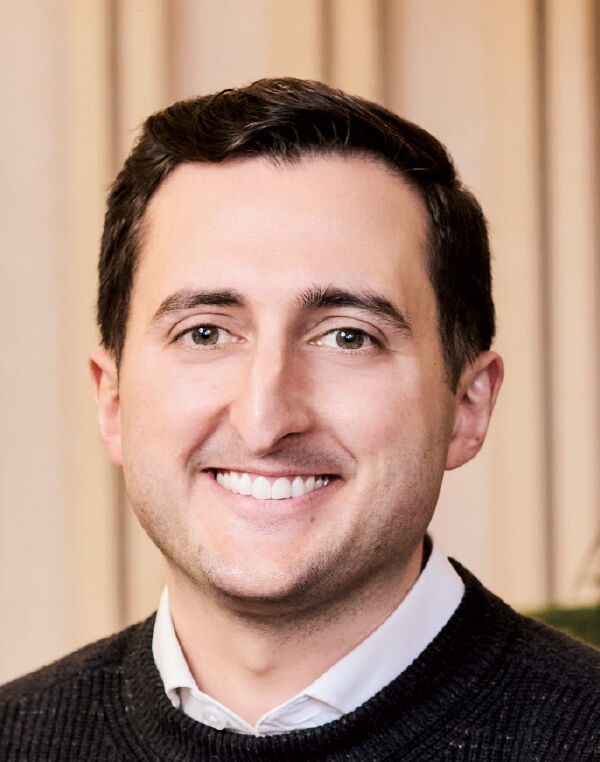
Phil Sampognaro is principal at private equity firm HGGC, which owns Grand Fitness Partners, a large Planet Fitness franchisee.
Within Crunch, Trive Capital, CapitalSpring and Meaningful Partners acquired or made significant investments in fast-growing franchisee platforms last year. In Planet Fitness, Mayfair Capital bought Baseline Fitness, a franchisee with more than 100 clubs.
Three and a half years ago, middle market private equity firm HGGC bought what was PF Atlantic Holdings, a Planet Fitness franchisee with 42 units at the time, from Monogram Capital. Rebranded as Grand Fitness Partners, it’s grown to 80 locations via new development and with the help of three acquisitions in Virginia and California.
HGGC’s investment thesis, explained principal Phil Sampognaro, was predicated on a “barbelling of the gym landscape.” Gym memberships were growing overall, and within the space, consumers were gravitating either toward low-cost options or higher-end boutique concepts.
“We were really drawn to the high-value, low-price segment because we thought it was recession resilient and by and large a subscription model,” he said, with Planet Fitness as the “clear category leader” given its size, national marketing strength—it spends about $200 million on media—and unaided brand awareness.
The markets in which Grand Fitness operates were likewise appealing, he said. In addition to California and Virginia, it has locations in Florida and New Jersey.
“They had taken an approach of opening in high quality geographies throughout the country, which provided some nice diversity in the portfolio,” Sampognaro said. “Central Valley in California is pretty different from central New Jersey, which is pretty different from South Florida,” and all the gyms were performing well. The strength of the management team, including co-founder and CEO David Bidwell, was another key factor.
Planet Fitness in its latest earnings call said it anticipates opening 160 to 170 new clubs this year.