
A week after bipartisan legislation was introduced to provide clarity on the joint employer rule, the International Franchise Association held its annual summit in the nation’s capital. The event was highlighted by several government officials who gave their take on how the legislation will move forward.
The International Franchise Association’s annual advocacy summit in Washington, D.C., had more excitement in 2025 compared to past years, with encouraging signs of a Congressional victory.
The event, held from September 15-17, took place just days after a bipartisan bill was introduced in the United States House of Representatives to add permanent clarification to joint employer rules. The legislation, titled the American Franchise Act, was brought forward by Rep. Kevin Hern, R-OK, and has attracted 13 co-sponsors, including six Republicans and seven Democrats.
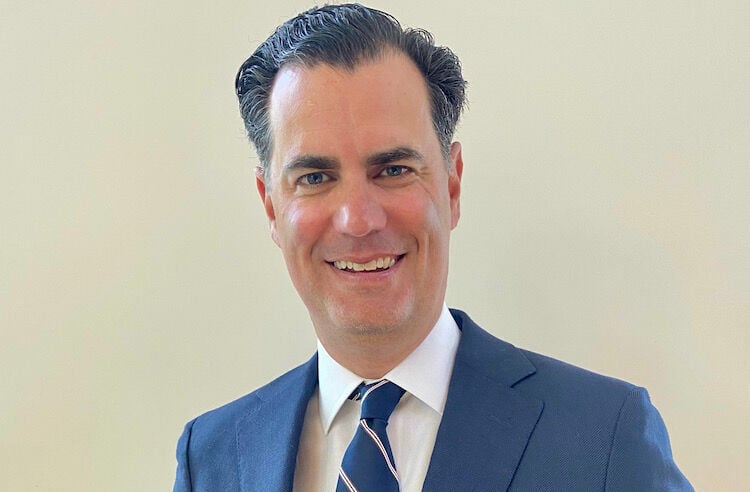
IFA President and CEO Matt Haller
Rep. Hern was on hand to speak at the summit, as were co-sponsoring Reps. Hillary Scholten, D-MI and Don Davis, D-NC. Additionally, U.S. Secretary of Labor Lori Chavez-DeRemer, Small Business Administration Administrator Kelly Loeffler and U.S. Sen. Roger Marshall, R-KS, also appeared to provide comments on the bill, along with other economic issues.
The legislation, referred to the House Committee on Education and Workforce, would keep joint employer standards consistent with the rules set by the National Labor Relations Board in 2020. The joint employer standards have changed several times over the last decade, depending on what party has control of the White House.
In 2023, the NLRB attempted to set a new joint employer rule where a franchisor could be considered a joint employer with the franchisee for a group of employees. If applied, the franchisor could be brought into situations involving wages, benefits and work conditions. Additionally, franchisors could share liability with franchisees on labor violations, and would have a legal obligation to negotiate with unions.
The 2023 effort was eventually blocked in federal court, keeping the 2020 standard in place, which established more separation between the two entities. For the IFA, the joint employer subject has been a major priority, with the goal of having the franchisor only considered a joint employer if it has direct and immediate control over terms and conditions of the employees.
“I think the biggest theme of the week was a feeling of opportunity to actually get something done in a durable, sustainable way on the joint employer issue,” said Matthew Haller, IFA president and CEO. “The bill is specifically related to the franchise model, versus other issues. There’s excitement about doing something, not just having a bill, but making a law because of the bipartisanship around this legislation.”
Along with support on both sides of the aisle in the House, Haller said having an ally in President Donald Trump, and recent legislative progress, are also positive signs.
“I would say we have a lot of support on the committee, with backing in both parties, and supportive leadership in the White House,” Haller said. “All of those are ingredients that if you don’t have, you’re not going to be well positioned. Another factor working in our favor is the tax bill signed into law earlier than many, myself included, thought. That creates a window in the fall for other legislation.”
Related: One Big Beautiful Bill Extends Favorable Provisions for Franchises
In his comments about the legislation, Rep. Davis said the bill aligns federal statute and long-standing precedent to provide stability for the franchise model.
“HR 5267 ends the uncertainty, ensuring owners have the clarity they need to keep hiring and investing in communities across the country,” he said. “It’s about fairness, opportunity and ensuring entrepreneurs from every walk of life have a real shot at living the American dream.”
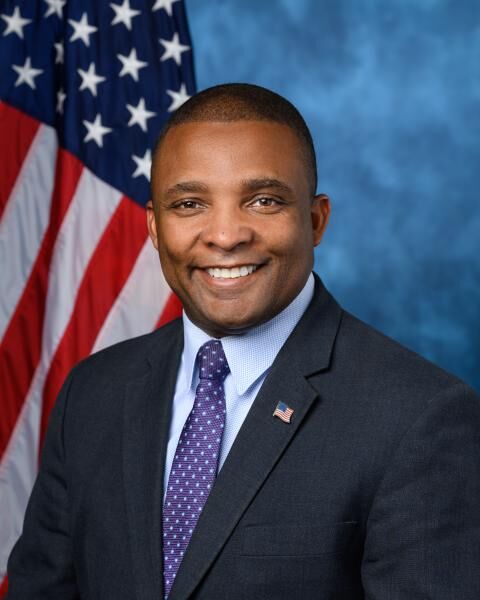
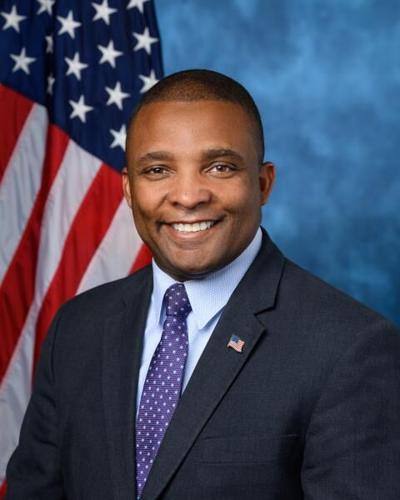
United States Rep. Don Davis, D-NC
Haller said he expects a counterpart to be introduced in the U.S. Senate in October. In the meantime, he said the IFA will work at the state level to build grassroots support. While Haller said there are things out of the IFA’s control, such as a potential government shutdown, there’s a likelihood the bill could make it through Congress in 2026, though the association will be ready if there’s an opportunity this year.
While the legislation was the main point of conversation during the summit, other recent economic realities for the community were brought up.
“There was a lot of talk about the economy,” Haller said. “Most of what the administration has been pushing has been helpful. But there is of course concern about tariffs. The administration officials are talking a lot about tariffs from a tax revenue benefits standpoint and helping with the trade deficit.
“Privately, we continue to share, in some instances, that the uncertainty from the on-again, off-again nature of the policies creates challenges,” Haller said. “Just like on tax policy because of the bill passed in July, creating permanency on the small business side, and like we’re asking now with the joint employer issue, business owners always want certainty, and they would like that on tariffs.”
Haller said all of these subjects were brought up in a productive visit to the White House.