

In a telling trend that is reshaping the franchise industry landscape, an increasing number of franchisees of emerging brands are returning to their parent brands to acquire additional locations after experiencing success with their initial investments. Multi-unit franchisees now own 53.9% of the total franchise units in 2022.
The Upgrade Advantage
Industry experts point to this trend as a strong indicator of concept viability and franchisee satisfaction. When existing operators choose to reinvest in the same brand, it demonstrates both the strength of the business model and the effectiveness of the franchise system's support structure.
"When franchisees come back to purchase additional units, it's the strongest validation a franchise system can receive," says Dan Rowe, CEO and Founder of Fransmart, a franchise development company specializing in fast-growth, emerging brands. "It shows they're not just surviving – they're thriving and confident enough to double down on their investment."
According to the International Franchise Association's 2024 Franchising Economic Outlook, the franchise sector is projected to grow by 1.9% in 2024, adding over 15,000 new establishments. Much of this growth is attributed to existing franchisees expanding their portfolios.

PayMore's Remarkable Growth Story
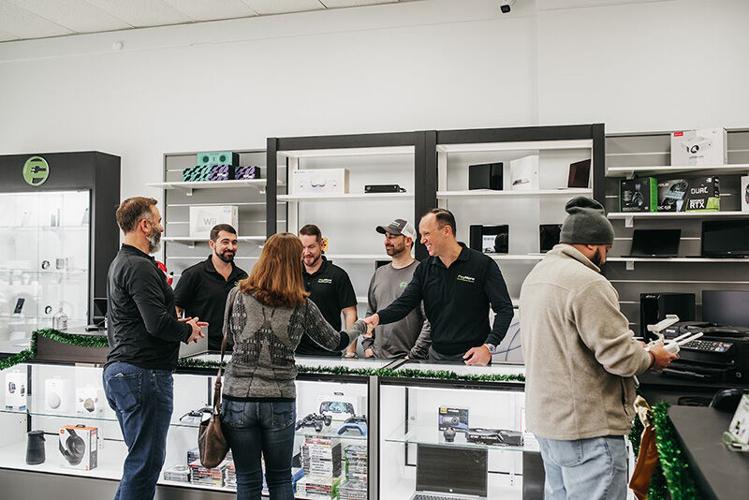
PayMore, a buy sell and trade electronics franchise, exemplifies this trend with remarkable statistics. PayMore began with a simple idea: to revolutionize the electronics industry. Founded by tech enthusiasts and seasoned entrepreneurs they created a seamless, profitable way for people to buy, sell, and trade electronics. Their unique model combines immediate cash for used devices in-store with a 24/7 online presence. The brand has an incredible amount of franchisees return to purchase additional locations after their initial investments. The brand has seen over half of the franchisees either add additional units to their existing development schedule or acquire other markets after their initial involvement. These "upgraders" initially purchased over 50 units, but their confidence in the concept led them to acquire an additional 130 plus locations.
Most striking is the speed at which these franchisees chose to expand. PayMore reports that most franchisees are choosing to expand their units even before they have their first location open – a remarkably brief period that suggests strong unit economics and robust market demand.
“PayMore is now our largest and fastest-growing brand, and we’re fortunate to have gotten in when we did,” said Milo Leakehe, co-founder of Imbue Capital, which also franchises Crumbl Cookies, Rolling Suds, and Tropical Smoothie. After initially committing to five PayMore units in April, Leakehe, along with partners Jake Brady and Zachary McKinley, recently expanded their commitment to 35 units across Georgia, Florida, Alabama, North Carolina, Tennessee, and South Carolina, backed by private equity firm Lionel Partners. “After attending the PayMore Annual Franchisee Summit and connecting with fellow franchisees, we realized it would be a huge mistake not to secure more territory while we had the chance.”
PayMore has grown rapidly since they began franchising in 2019. They have 50+ locations open and over 500+ units planned. Territories are becoming limited due to the fast expansion of the brand. PayMore has attracted multi-unit franchise owners from other brands like Crumbl Cookies, Domino’s, Firehouse Subs, Little Caesars’, Sprint, Tim Hortons and ubreakifix.

GLO30's Medical Aesthetics Success
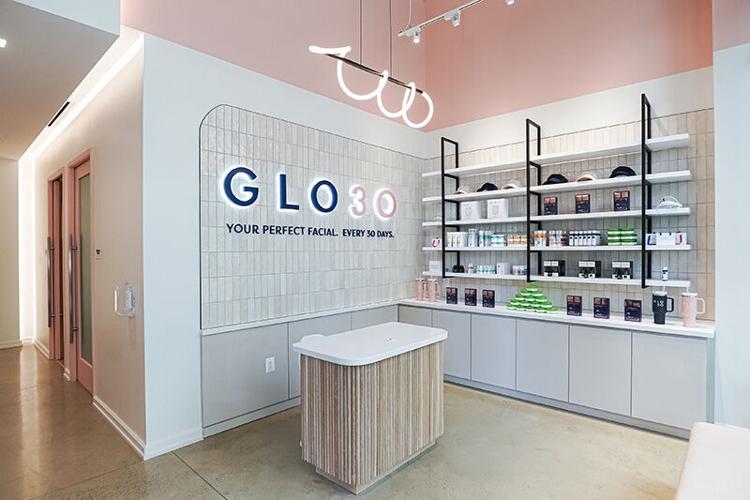
In the booming medical aesthetics sector, GLO30 has emerged as a dynamic player. Since its franchise launch in 2022, the brand has experienced exponential growth, with 100 units secured and well on to their goal of 1,000 units in 10 years. Many of its initial franchisees return to purchasing additional units within the first 18 months of their first investment.
GLO30's success is particularly noteworthy in the medical spa industry, which is projected to grow at a CAGR of 15.13% through 2030. The brand has attracted seasoned franchise operators including franchisees from Great Clips, Papa John’s, Primrose Schools, and even a Bravo Housewife.
Multi-unit franchisees, Phil Horn and Don Bauer had worked with Fransmart in the past to find early-emerging brands. They currently own 60+ QSR franchises between Papa John’s, Qdoba, and Huey Magoo’s. These experienced franchisees were looking to diversify their portfolio away from solely QSR franchises when they heard about the numbers in the Item 19 at GLO30. They initially invested in 15 units in the Phoenix, Arizona region. As GLO30 locations began to open, they wanted to expand their initial investment. They partnered with GLO30 Franchisee, Lauren Campbell, who owned one GLO30 unit in Charlotte, NC and then acquired an additional 9 units in the Charlotte, NC area through that partnership. Their initial investment went from 15 units in one region to 24 in the two.
When asked about their investment in GLO30, Phil Horn and Don Bauer were quick to respond, “We were early in Papa John’s, we were early in Qdoba, and we are early in Huey Magoo’s, so we have been a part of a number of emerging brands and have been able to watch them grow. We’re excited to do that again with GLO30.”
Former Primrose School franchisee, Kasey Redus, initially purchased 5 GLO30 units in Austin, Texas. She attended the GLO30 franchise conference, which inspired her to further grow her initial investment. Kasey then upgraded to 9 units following the conference. A few months later, she formed a partnership with a group in Fort Worth/Dallas to acquire 5 more locations. Kasey’s initial investment of 5 units in one region has quickly turned into 14 units in two territories.
The brand's rapid expansion is supported by several key factors:
- A streamlined operations model that allows for efficient scaling
- Predictable revenue with a recurring revenue membership model
- Comprehensive corporate support in site selection and build-out
- Strong unit economics with multiple revenue streams
- Constant innovation of products and services like GLOria, the AI powered facial scanner
- Strategic territory allocation that supports multi-unit development
Industry Implications for Other Franchisees
This pattern of rapid reinvestment by existing franchisees carries several implications for the franchise industry:
- Validation of Concept: When franchisees invest in additional units, it provides powerful validation of the business model and can attract new franchisees to the system.
- Accelerated Growth: Brands can expand more quickly through existing operators who already understand the system and have proven their operational capabilities.
- Reduced Risk: Franchise systems benefit from growing with experienced operators who have demonstrated success with the concept.
- Market Optimization: Multi-unit operators can often achieve economies of scale and better market penetration within their territories.
The Future of Franchise Growth
Industry observers expect this trend to continue as successful franchise brands focus on supporting their existing franchisees' growth ambitions. According to Multi-Unit Franchisee Magazine's 2023 report, 85% of multi-unit operators plan to acquire additional units within the next two years.
As the franchise industry continues to evolve, brands that can cultivate and support this type of organic growth from within their system are likely to see accelerated expansion while maintaining high operational standards. The success stories of PayMore and GLO30 demonstrate that when a franchise concept truly works, franchisees will eagerly invest in their own growth – and the growth of the brand.