
Just over a year ago, Delight Restaurant Group bought 65 Wendy’s restaurants in the Pittsburgh market, bringing its total to about 200.
For the group’s managing director, Andrew Krumholz, the decision, like all purchasing moves, was based on past results and future return on investment.
“The way we thought about it was that we want to be doing this business for a long time, and this was a high-quality Wendy’s market with above-average AUVs,” Krumholz said, referencing the average unit volume. “If you’re going to be investing in something over long periods of time, it’s really important to have those quality, high-performing assets.”

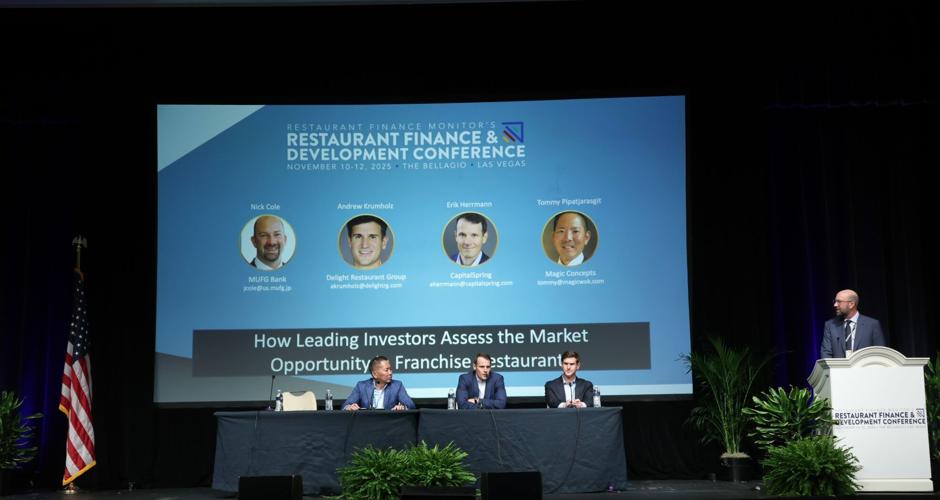
Andrew Krumholz, a managing partner at Delight Restaurant Group
Krumholz shared the story of Delight’s acquisition during a panel at the 2025 Restaurant Finance & Development Conference in Las Vegas. The discussion, focused on what goes into the valuation process when buying units, also featured CapitalSpring Head of Investment Erik Herrmann and Magic Concepts CEO Tommy Pipatjarasgit.
In his approach, Herrmann said he looks at valuations as more of an art than a science, but said the process is easier overall when going after stores in a franchise system.
“With those restaurants, there are just so many comps out there,” Herrmann said. “Like with all of these brands, there are hundreds or thousands of locations. So, compared to other industries, there’s a lot more data to work with in those restaurants. That doesn’t mean it’s easy to get the right answer from a valuation standpoint, but it gives you a great kind of reference frame on what the market might expect in valuations.”
CapitalSpring, a private equity and debt investment firm, has among its investments FSC Franchise Co., which includes Beef 'O' Brady's, The Brass Tap and Newk's Eatery. This year it sold Sizzling Platter, a large franchisee of Little Caesars, Wingstop, Jamba and other brands, to Bain Capital.
Herrmann said lately the group has been turning its attention toward newer brands instead of mature concepts.
“I think one theme we’ve seen evolve from five to 10 years ago would be how most of our investments used to be around the traditional, tier one QSRs and fast-casual brands out there,” Herrmann said. “But over time, we’ve shifted to the brands that are growing rapidly or even emerging.”

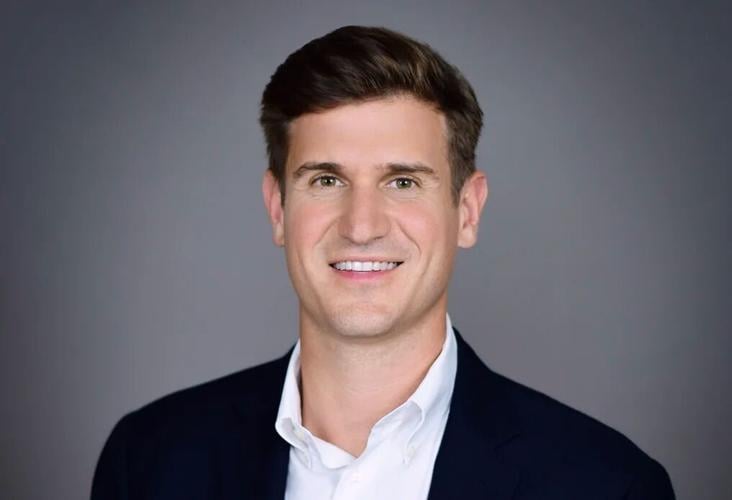
Erik Herrmann, a partner and head of investment group at CapitalSpring
At Magic Concepts, Pipatjarasgit owns more than 60 Wingstop locations and is also a Jersey Mike’s franchisee. He first scaled the portfolio organically to about 40 units and then acquired more. With a history in restaurants, Pipatjarasgit said he was a natural operator, and noted the importance of getting in on the ground level as part of the valuation process.
“I said, ‘let’s get in the stores and see what they’re doing and how they’re operating,’” Pipatjarasgit said. “I also want to see what opportunities there are for us to improve on. Digging deep on the ways to improve the P&L, and normalizing" earnings before interest, taxes, depreciation and amortization, or EBITDA, "to ensure we’re going to get the returns we need to hit.”
Krumholz, likewise, noted the importance of “getting in the weeds” when evaluating the fiscal details.
“Valuating is part qualitative and part quantitative,” Krumholz said. “Sometimes, the quantitative side is easier to talk about, [but] the qualitative part is more important. When we really analyze these opportunities, we’re focused on that qualitative part. We want to know about the brand’s sustainability and durability of cash flows. We’ll do a lot of work around that. Then, we’re focused on what the returns associated with this are.”
Another factor to consider is the value of future development along with the existing stores in a potential deal.
“If you’re buying a platform that has 50 locations, and it has an opportunity to build five sites, that’s going to be worth less than a similar business with the opportunity to develop 25,” Herrmann said. “Another dimension is how easy is it to execute there. Do you have exclusive development rights? Do you have a license to go out and build or are you combing over things with other franchisees and fighting to get stores open? Those are additional questions.”