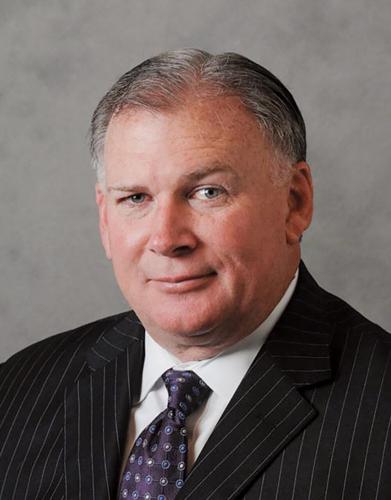



Bank of America Managing Director Ted Lynch wants to see more positive microeconomic indicators and stronger restaurant results before predicting a strong M&A outlook for 2026.
High interest rates. Costly real estate and tariffs. Wage increases. Consumer spending pullback. Economic uncertainty.
It’s all taking a toll on franchising.
And yet, some of the sharp minds involved in the dealmaking space, on both the sell and buy side, believe the merger and acquisition activity seen in the last half of 2025 will carry over into the new year. They point to deals finalized in the back half of the year, such as Freddy’s Frozen Custard & Steakburgers trading from one private equity firm to another, the sale of Del Taco to a prominent franchisee and RaceTrac’s acquisition of Potbelly Sandwich Shop.
Then there were additional sales in the works, such as California Pizza Kitchen reportedly being sold to a new investor group, and Apollo Global Management’s apparent continued interest in buying Papa Johns after withdrawing its initial $2.1 billion offer.
But some financial leaders are still not convinced franchisors and franchisees can maintain that transactional pace this year. They say there needs to be more clarity on the state of the economy and an improvement in consumer sentiment before they can predict the next wave of M&A activity. More importantly, they said, legacy brands need to turn around declining store performance to position themselves for sales and to even attract interest from potential buyers.
“There’s a general sense that the M&A activity is backed up and that there’s going to be a burst of energy in a lot of it next year,” said Ted Lynch, a managing director at Bank of America. “I’m probably less sanguine about the view of the world than others. And why is that? There are just so many microeconomic issues around the sellers who are looking to sell from a position of strength. Frankly, we’re just not seeing a whole lot of that strength right now, especially in the restaurant space.”
Alicia Miller, the founder and managing director of Emergent Growth Advisors and author of the book on private equity’s role in franchising, “Big Money in Franchising,” shared Lynch’s cautiously optimistic view for the M&A outlook in 2026, citing the private equity timelines for putting their franchise assets back on the market. She warned that a major or even a minor stock market shock could quickly disrupt any momentum.
“Yes, I see a continuation of field momentum but, then again, things can change really fast,” Miller said. “We’ve certainly seen that happen before.
“What it almost always takes for a franchise to be sold in today’s market is for them to have a great story to tell. Without having a great story to tell about their growth and success, it’s really hard to get a transaction done and that’s what’s we’re seeing now.”

Savory Fund co-founder Shauna Smith expects to see M&A activity pick up later in 2026.
An M&A rebound
In 2025, major acquisitions were characterized by strategic consolidation with notable deals involving both large corporations and private equity firms across various franchise sectors. Key franchise transactions were casual dining chain Denny’s reaching a definitive agreement to be acquired by a group of investment firms including TriArtisan Capital Advisors, Treville Capital Group and Yadav Enterprises, in a $620 million take-private deal. The deal is expected to be finalized in the first quarter of 2026 and after it closes, Denny’s stock will be delisted from the Nasdaq.
Other big deals from the second half of 2025 included Jack in the Box selling Del Taco to franchisee Yadav Enterprises for $115 million, less than four years after acquiring the chain for a much higher price.
RaceTrac, meanwhile, completed its acquisition of Potbelly in October for a reported $566 million, while investment funds affiliated with Rhône Group acquired the Freddy’s brand from Thompson Street Capital Partners in September.
Then there were the major franchisee acquisitions. Flynn Group, the largest multi-brand franchisee in the world, continued its expansion by acquiring additional Pizza Hut units, bringing its total count in that brand to more than 1,000. Franchise Equity Partners acquired a significant stake in the second largest 7 Brew franchisee that operates 50 stores with plans for another 200 locations.
Eyas Capital acquired 120 units from the largest Bojangles franchisee, and MTY Food Group, the parent company of around 90 brands including Papa Murphy’s, made it known that it’s exploring a range of strategic options, including a potential full or partial sale of the company.
Mike Esposito, the co-manager and co-founder of Franchise Equity Partners, is convinced the M&A space is primed to take off again in 2026 with a plethora of legacy restaurant brands under pressure to reinvent themselves and adapt to the new normal of consumers prioritizing value meal deals.
“The macro backdrop is generally good with economic conditions being relatively strong. The GDP,” or gross domestic product, “is showing positive growth and interest rates are declining,” he said. “I think the big thing that we’re going to see in 2026, probably more than we’ve seen in a long, long time, is the pressure on the big legacy brands to get to a breaking point where either their sales are going to have to improve or new executives are going to be brought in.”

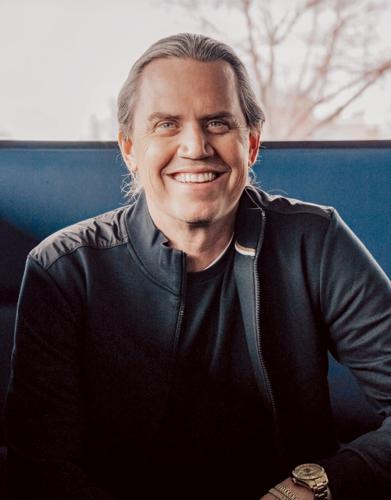
Andrew Smith, co-founder of Savory Fund, notes private equity has a speed advantage in doing deals.
FEP’s past franchise-related investments include auto dealership group Georgica Auto Holdings; Pacific Bells, a large Taco Bell franchisee, and Fresh Dining Concepts, a large GoTo Foods franchisee.
Esposito said private equity remains focused on acquiring brands with strong unit-level economics and high franchisee satisfaction to enhance competitiveness and expand market reach. He said there is more interest by them now in specific growing sectors like home services and automotive care, which are recognized for profitability and strong market positions.
Savory Fund co-founders Andrew and Shauna Smith, who are active investors in a number of quick-service restaurant brands such as Swig and Pincho Factory, also predicted more M&A activity in the QSR space in 2026. But they said the majority of deals done will likely be what they referred to as “cautious transactions.”
“There’s a lot of money on the sidelines and there are a lot of people like us eager to invest with the right brands,” Andrew Smith said. “The advantage we have being in private equity that banks don’t is we don’t have regulators watching over us. It allows us to move quicker on deals without having to deal with all the red tape that government regulators put on banks.”
Shauna Smith said they dismiss the majority of brands they evaluate because of lackluster sales or questions about the leadership. Still, she predicted an active 2026, mainly in the back half of the year.
“We’re looking at emerging healthy food concepts now because that’s a growing segment,” she said. “We love the QSR space, but we also know there are a lot of people out there who want to eat healthy and feel good after their meals.”
Lynch, who announced he’ll retire this spring after more than three decades with Bank of America, agreed that franchise M&A is primed for a big restart. He’s just not as certain of the timing because of the economic uncertainty.
“Yes, there is plenty of money out there ready to be put to work. But when trying to complete the M&A deals, it all comes down to a very small number of very defendable opportunities where you’ve got a stable set of profit and loss statements and positive key performance indicators,” he said. “They are always going to be the key things that impact deals getting done.”