
Mediterranean fast-casual concept Crazy Pita launched its franchise system in 2019, but the pandemic a year later halted plans for growth. After a few years of improving the brand, CEO Mehdi Zarhoul said expansion is again underway.
When Mehdi Zarhoul moved to the United States from Morocco at 16, he arrived with $30 in his pocket.
To earn money, he began working at a restaurant in Washington, D.C., and not only did he fall in love with the industry, but he greatly admired the owners as well. Inspired to put himself in a similar position, Zarhoul made his goal a reality when he launched Crazy Pita in 2006. Now 20 years later, he’s ready to bring the brand to the next level.

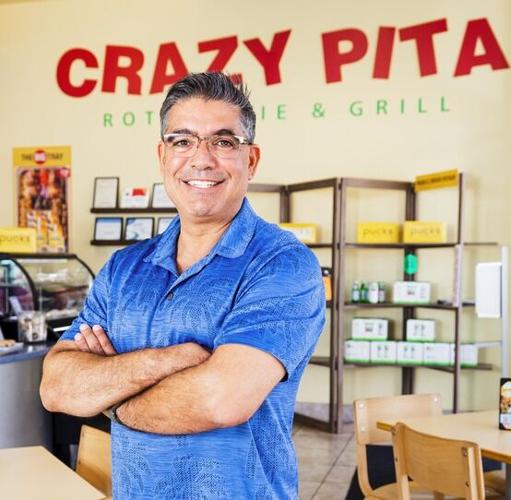
CEO Mehdi Zarhoul founded Crazy Pita in 2006.
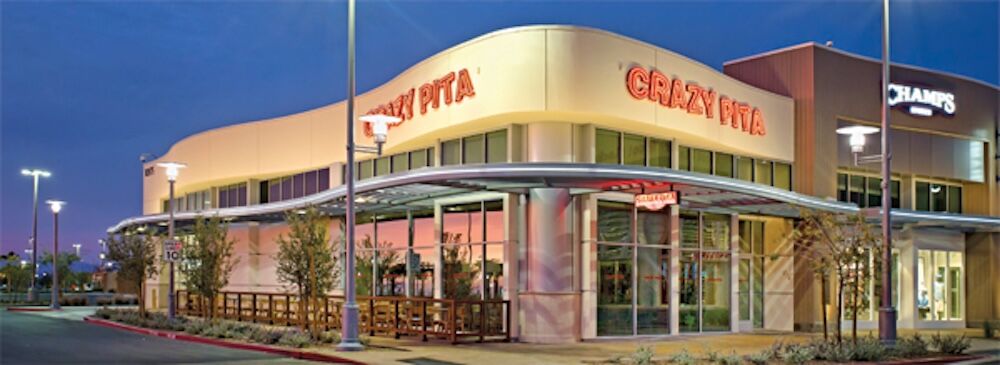
Crazy Pita, with three locations in Las Vegas and another in Florida, just began expanding via a franchise system after plans were put on hold during the coronavirus pandemic.
“In 2019, we had decided to start franchising and went through the whole FDD process,” Zarhoul said of creating a franchise disclosure document. “Then, COVID came by, and I was thankful we hadn’t sold any during that time. When that was going on, we had a chance to revisit all of our systems and technology. We did all of that stuff and just recently, in the last seven months, we were able to open our first franchised location.”
Crazy Pita is pursuing nationwide growth, and Zarhoul is looking to open traditional restaurants and non-traditional units. In Florida, the brand inked a deal for a second location at a United States Navy base. In Las Vegas, the franchise location opened within a Walmart.
“Most of my executive team and our director of operations is based in Florida, so it makes that easier for us,” Zarhoul said. “That way we can focus on some amazing markets like Miami, Tampa, Jacksonville and Orlando. As we grow, we plan to have divisions. We’re in Nevada, and we will be in charge of Arizona, Texas and California, and on the East Coast, we have our Florida group there.”
With the brand’s growth, Zarhoul said he’s looking to tap into the increasing popularity of Mediterranean cuisine, which he called one of the hottest foods in the market.
“The burger and pizza concepts dominate about 90 percent of the market, while Mediterranean is still about 10 percent, but it’s going to grow,” Zarhoul said. “It will get to 20 and 30 percent over the next 15 years. The National Restaurant Association predicts that the Mediterranean market will reach $35 billion in sales in 10 years. So, imagine the opportunity that’s being set on the stage.”
Zarhoul said he’s not only excited about the market potential to grow the business, but also sees it as a chance to continue introducing the meals he grew up with to more people. That, he said, was the original goal with the brand when it launched 20 years ago.
“When I moved to Los Angeles, I always wanted a good pita, and something that was healthier, but I couldn’t find it,” Zarhoul said. “You had a market with a lot of burritos, pizza, Chinese food and other options. But if you wanted Mediterranean food or a pita, you’d have to go to a full-service restaurant and pay $25 to $30 for a lunch.”
The lack of options motivated him to create Crazy Pita when he moved to Las Vegas, relying on a mix of experience. Professionally, Zarhoul brought experience as an assistant food and beverage director at Four Seasons Hotels & Resorts, allowing him to travel the world, building on his restaurant background. The time spent in the industry was combined with Moroccan recipes, which he tweaked to accommodate the American palette.
“In the first decade, we wanted to establish the fast-casual model,” Zarhoul said. “We wanted to make it sustainable and be sure we proved that any franchisee could make money with it. We wanted to have a pattern, and to do that, we opened in three different parts of the city. As we did, they were all very successful, and that’s when we decided to move forward with franchising.”

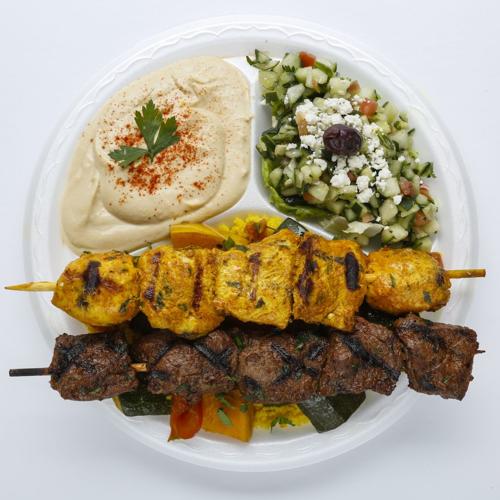
The menu at Crazy Pita is inspired by authentic Moroccan recipes
Zarhoul turned to the franchise model in a bid to speed up unit growth without the corporate capital outlay.
“That’s the reason people franchise, to open locations without putting up as much money,” Zarhoul said. “If we had the money, we would have expanded corporately. But I had enough with SBAs when opening my stores, and I didn’t want to do more, because otherwise you’ll be in a loop. Franchising allows us to break that cycle.”
Crazy Pit is open to single and multi-unit agreements, Zarhoul said, and is establishing a strong development pipeline. As the concept grows, the brand will keep evolving.
In the last year, the brand introduced two virtual concepts, Chicken Genius and Salad Madness. With some of its existing restaurants, Zarhoul said Crazy Pita will transition them into what he called “flagship stores.”
“Those will be more upscale, adding desserts and coffee options to have the feel of a European style café,” Zarhoul said. “Those will be ‘fine fast-casual.’ We realize the fast-casual market is getting too crowded, and some separation is needed, and this allows us to do that. It’s creating a system where any franchisee can jump in, with multiple verticals for their city.”
The cost to open a franchise location ranges from $303,000 to $795,000, and owners have the option of opening a micro-facility or traditional unit. Stores average $1.3 million in sales, with 45 percent coming from dine-in customers, 40 percent from takeout and 15 percent from catering.