
This article is part of "Where Are They Now?"—an ongoing series in which Franchise Times managing editor Emilee Wentland and Reporter Alyssa Huglen catch up with emerging brands.
It’s been a little more than a year since Adam Sanders took on the title of Killer Burger’s CEO.
Already, he sees the brand as primed for innovation.
“I want us to get through with this brand and really get it where it deserves to be,” Sanders said. “I think the brand has plenty of prominence, and we want to see what we can do here.”
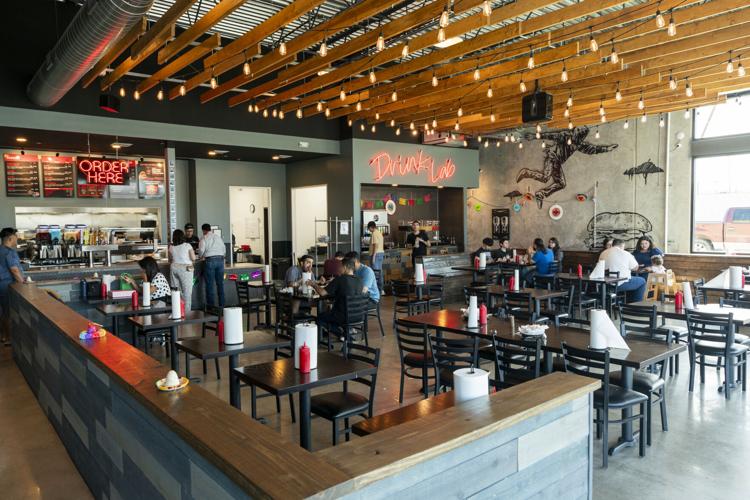
Founded in 2010, the Portland-based burger franchise has grown to 24 units in four states: Oregon, Washington, Idaho and Texas. All but four units are franchised. Private equity firm Village Family Capital invested in the company in 2020.
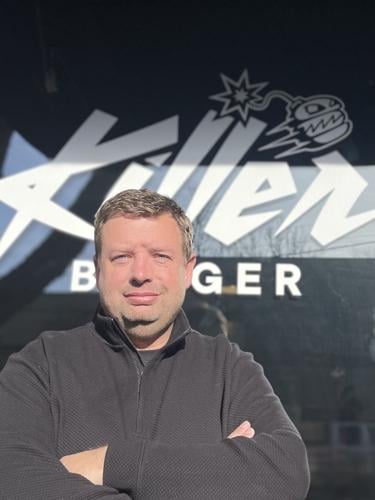
Sanders joined Killer Burger in 2021 as vice president of financial planning and analysis before becoming the chief financial officer two years later. He took over the CEO role in November 2024 from John Dikos.

Adam Sanders took on the role of Killer Burger's CEO in 2024.
While unit count hasn’t grown substantially in recent years—the company was at 19 units when Franchise Times spoke with Killer Burger in 2022—Sanders, who said he still handles CFO responsibilities, has been set on getting the brand’s financials right over the last few years.
“We just didn’t have a good enough product—not from a burger perspective, but from a company perspective—to sell franchisees,” he said. “They would come in and sign up, but we didn’t have good processes in place … so we’ve overdone everything.”
In his first year, Sanders and his team have worked to “slim stuff up” on the financial side. As a result, Sanders said the company is cash flow positive on the year for the first time and has generated positive changes to its bottom line.
“As a franchise,” he said, “we’re not any good to our franchisees if we can’t manage our own financials and get them tight."
Killer Burger has improved its marketing offerings for franchisees by providing a packet each month with information on limited-time offers and promotional deals as well as graphics and marketing materials to display on store windows and counters.
Sanders said it’s a notable departure from the brand’s previous methods.
“The marketing team would work really, really hard. But when you looked at it, it was all reactive,” he said. “It was a franchisee saying, ‘I need this item for a promotion’ or ‘I need this for the special burger we want to do.’ All those things, they’re just reacting to it, when the reality is the franchisees are just reacting because they weren’t getting enough information.”
The company’s small-but-mighty, nine-person franchisee base have been at the crux of Sanders’ work to improve Killer Burger’s offerings.
Sanders established monthly calls with each franchisee but said he speaks with some up to three times a month. The company leads quarterly franchisee meetings and implemented a franchise advisory council last year to get more consolidated feedback.
Building strong relationship dynamics is crucial, Sanders said, amid changes to the menu to evolve and innovate beyond the original burgers and beer focus.
The brand, having developed a following with unique offerings like a peanut butter pickle bacon burger, has been testing milkshakes at three of its locations. Sanders said he expects to have a systemwide rollout launched within this next year.
“As consumers have evolved over time and the brand’s evolved, we get more older people and more families than we used to get,” Sanders said. “Not having shakes on the menu is just a huge gap.”
Killer Burger is expected to open between five and eight units this year, with most of this growth concentrated in Texas—a promising second home for the brand, Sanders said.
Related: Papa Johns Franchisee Doubles Killer Burger Development
The brand began using location analytics platform Placer AI as a resource about 18 months ago, which Sanders credits with improving site selection efforts.
Revitalizing development strategies has made the brand more selective about potential growth sites.
“We’re looking to continue to improve. We’re trying to grow, and we’re going to keep growing with franchise partners we have and new ones to close that gap between Texas and Portland,” Sanders said. “We’re absolutely looking forward to a successful 2026 and really increasing that snowball in building franchises.”