


Mike Rozman is the CEO of BoeFly.
Overall franchisor confidence in their ability to hit franchise growth goals is “meaningfully down from the first quarter,” said BoeFly CEO Mike Rozman and is lower than it was during the second quarter of 2024.
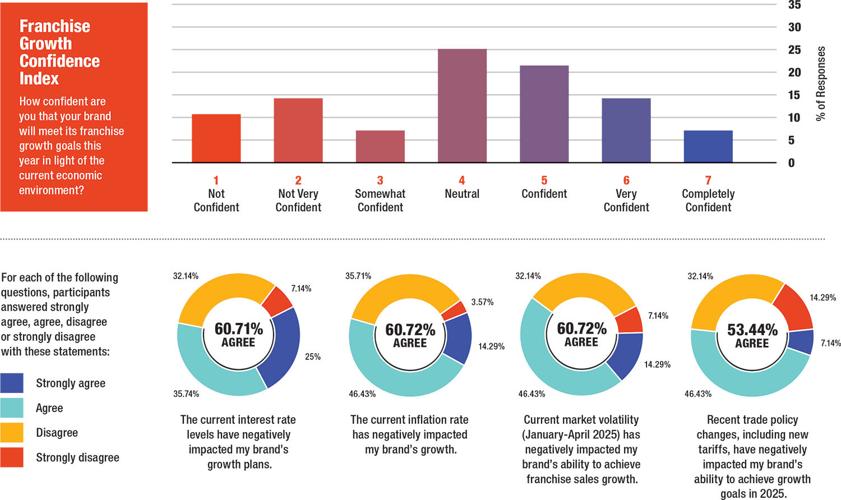
Just 42.9 percent of the nearly 700 franchisor chief executive, chief financial and chief development officers surveyed for BoeFly’s Franchise Growth Confidence Index said they expect to achieve their domestic growth goals this year. That’s down from just over 72 percent in the first quarter and a decrease from the same period last year, when 48.6 percent of respondents were confident they’d reach growth targets in light of the current economic environment.
Financial technology company BoeFly conducted its survey April 18-29, with respondents coming from several industries including automotive, education, fitness, health and beauty, home services, restaurants and retail. BoeFly helps franchisors qualify their applicants and also connects those candidates with lending options.
While it’s typical for the confidence level to dip from the first quarter to the second, Rozman said he was surprised by the big swing, especially considering the 15 percent decline in the number of C-suite franchise leaders who said current interest rate levels and the inflation rate negatively impacted their brand’s growth.
In answering both the interest rate and inflation questions, 60.7 percent of those surveyed said there was a negative impact on growth plans, down from 75.8 percent in the first quarter. Instead, current market volatility and recent trade policy changes, including new tariffs, are putting franchisors on edge.
Just over 60 percent (60.7) of leaders said the market volatility from January to April had an adverse effect on their ability to hit franchise sales goals. And 53.4 percent said new tariffs and other trade policy changes had an unfavorable impact.
“I can see a lot of the development folks identifying that hey, if people feel like their overall market values have dropped and their overall net worth dropped, maybe they’re feeling a little bit less interested in expanding to a new business,” said Rozman as he noted the difference in the level of concern around trade policy versus broader market unpredictability. “Whereas, if I’m opening a quick-service restaurant, I’m hoping the tariffs won’t impact me in a significant way.”
Last fall it was the upcoming presidential election that generated some anxiety among franchise leaders who provided survey responses. Now, there’s new uneasiness.
In the Q3 numbers of 2024, “the overall confidence number was 33.3 percent and everyone we were talking to was looking to the election,” said Rozman. “And we’re in very much uncertain times now. The fact that we do have this drop, the overall survey data does reflect that.”
