

Burger King launched its “Reclaim the Flame” campaign in 2022 to drive restaurant sales in the United States.
In a world always seeking out the newest trend, Restaurant Brands International is working to revitalize its classic brand, Burger King. The 70-year-old burger company launched its $400 million “Reclaim the Flame” initiative in late 2022 in an effort to drive sales at its restaurants in the United States.
Burger King announced plans in September 2022 to spend $150 million on advertising (“Fuel the Flame,” the brand calls it) and another $250 million on restaurant technology, remodels and kitchen equipment (“Royal Reset”). Global systemwide sales for the burger giant, which is ranked No. 4 on the Franchise Times Top 400, hit $25.48 billion in 2022, up 8.7 percent. Its domestic performance, however, has struggled in recent years as sales and traffic slowed and franchisee profitability took a hit.
Efforts to rejuvenate the business are starting to yield results. Same-store sales rose 6.6 percent in the third quarter of 2023, following an 8.3 percent increase in that metric in the second quarter. Traffic, meanwhile, was flat, though Josh Kobza, chief executive at RBI, called this “progress” during the company’s earnings call, as Burger King had seen its traffic decline in previous quarters.
“Over the past 12 months of our Reclaim the Flame investment, the BK team and franchisees have made great progress in positioning the brand for profitable traffic growth and a healthy reinvestment appetite,” Kobza said. “This progress, and the enthusiasm we’re seeing from our franchisee base, gives us confidence that we’re on the right path to deliver a modern system with compelling unit economics.”
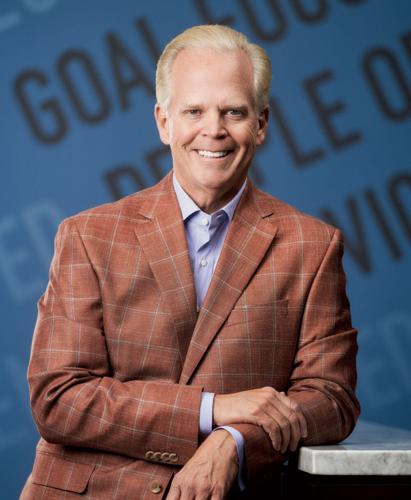
During a keynote presentation at the Restaurant Finance & Development Conference in November, RBI Executive Chair Patrick Doyle said, “Great businesses are built with risk, and if you have zero risks, then you’re not generating great returns, you’re buying bonds or buying treasuries.” Burger King, Doyle said, had more than its fair share of risks, including financial, external and structural risks.
Doyle, who joined RBI about a month after the launch of Reclaim the Flame and invested $30 million of his own money in the company, said the franchise system as a whole is doing better than in previous years.
“I started looking at the business and the different brands and just got very, very excited about what can be done,” Doyle said at RFDC. “And, I will tell you, a year later I am even more excited than when I was first looking at it.”
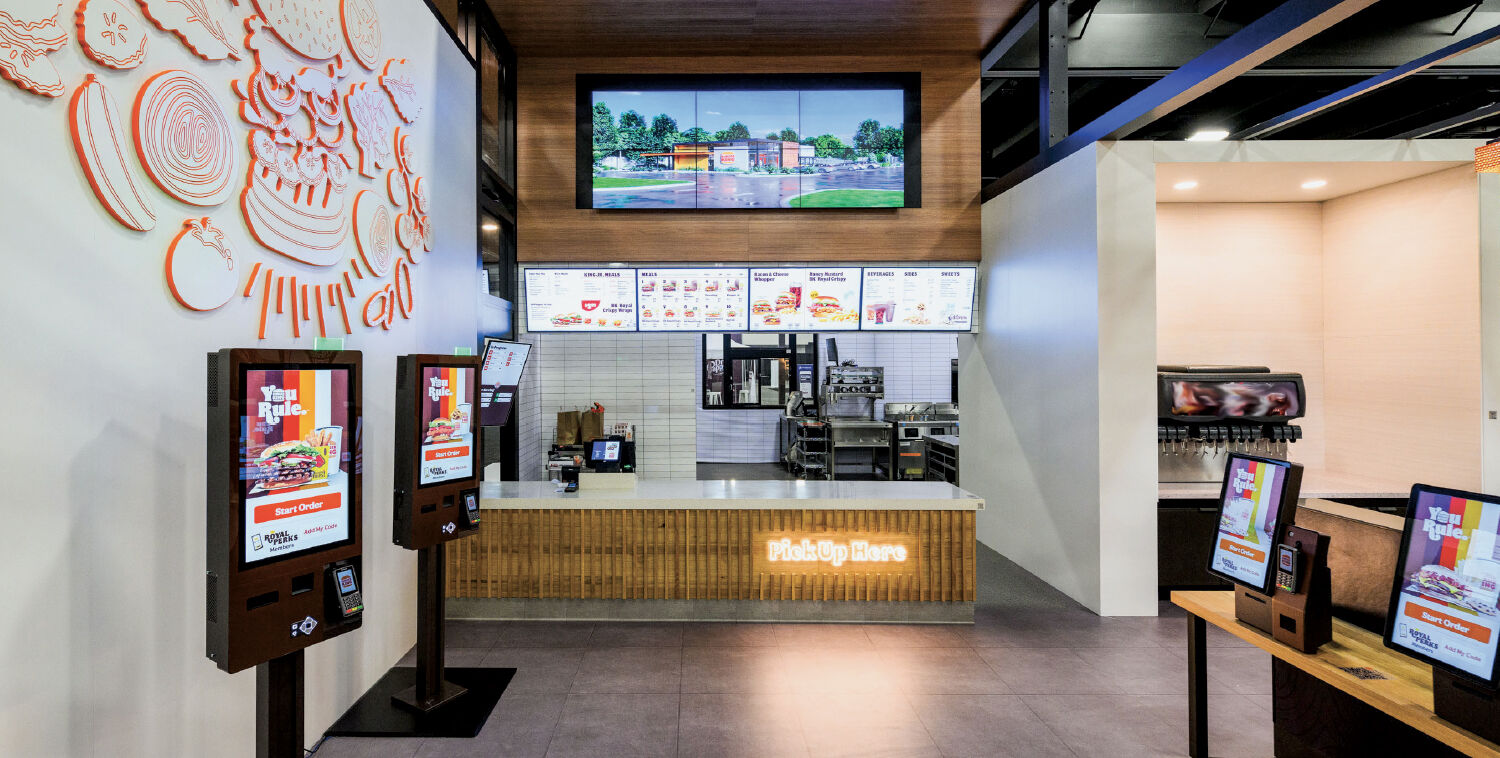
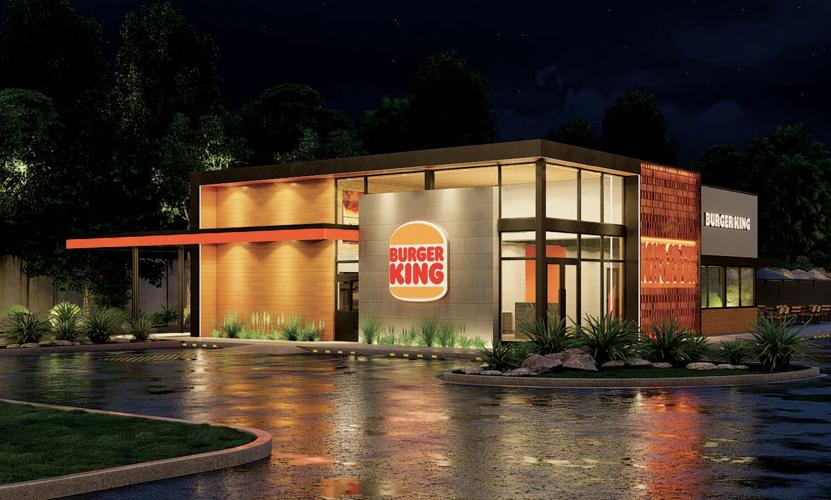
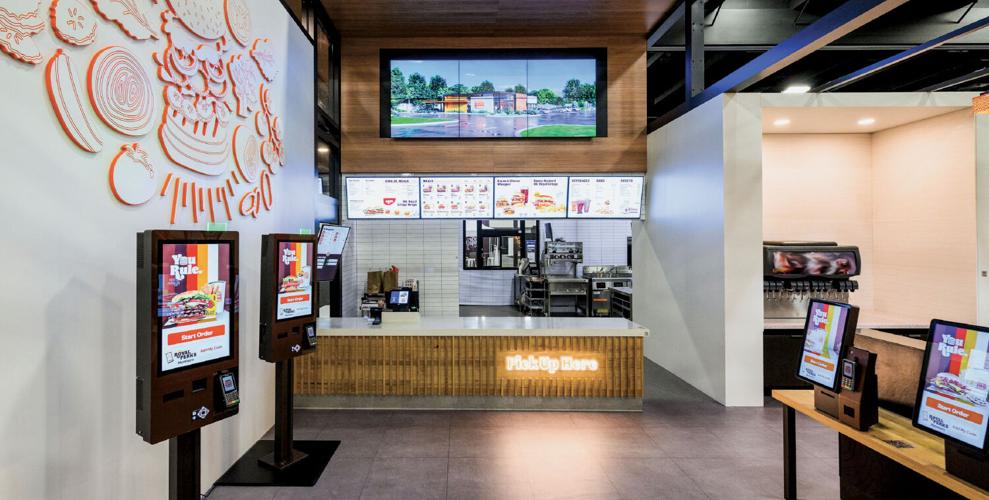
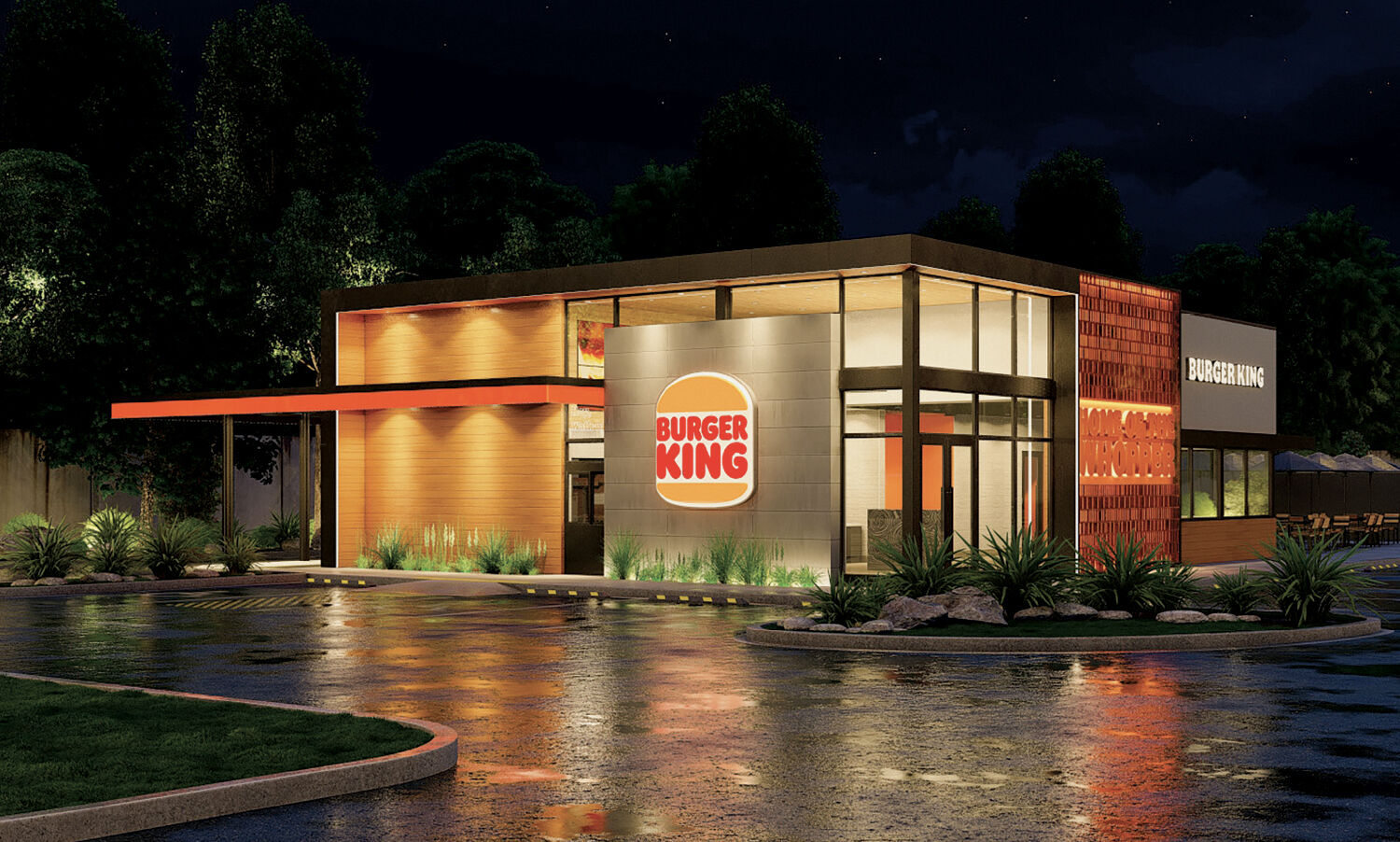
Burger King’s new Sizzle prototype features digital displays and kiosk ordering, and is focused on driving business through mobile channels.
BK’s big ‘zees on board
Atlanta-based GPS Hospitality operates more than 400 Burger King restaurants in 13 states. Since its inception in 2012, the franchisee has built 50 new restaurants and remodeled another 200, and at the North American franchisee convention last year, Burger King named GPS its developer of the year.
GPS is among the large-scale operators embracing the new Burger King programs. “We’re very excited about the progress that’s being made and the initiatives that they’ve laid out,” said CEO Tom Garrett, who founded GPS in 2012 after acquiring 42 BK restaurants.
GPS is No. 12 on the Franchise Times Restaurant 200, which ranks the largest franchised restaurant owners in the U.S. The company reported sales of $678 million across 412 Burger Kings, 62 Pizza Huts and 19 Popeyes in 2022.
Starting in late 2022, there’s been “a very definite change in direction from the brand, really starting at the leadership level,” Garrett said. “Starting with the belief that franchisee profitability is the lifeblood of any brand and the commitment to that. We’ve seen that spelled out in many, many ways in every initiative they’ve enacted.”
GPS had a hand in creating the company’s newest restaurant prototype, the Sizzle design. “It has a very contemporary look to it,” he said. “But it also lends itself to a very digitized customer,” with elements geared toward execution of catering, delivery and digital ordering. “It’s a rework really with the current and future consumer in mind.”
GPS is opening a Sizzle store this year in Dunwoody, Georgia. Burger King already has two Sizzle stores, in Marion, North Carolina, and Las Vegas. GPS will likely undertake some remodels, too, but the focus for now is on that new build. The company is optimistic about the years to come, noted Garrett.

Deborah Derby, CEO of Carrols Restaurant Group.
RBI announced January 16 it would acquire the largest U.S. operator in the Burger King system, Carrols Restaurant Group, a publicly traded New York-based company with more than 1,000 Burger King stores in 23 states, plus another 65 Popeyes. Carrols is No. 3 on the Restaurant 200 list with $1.73 billion in sales.
The company’s total restaurant sales were up 5.7 percent in the fourth quarter of 2023, according to preliminary sales results released in January, to $470.4 million, compared to 2022’s $445.1 million. Sales at its Burger King stores were up 7.2 percent, and Carrols reported a 2.9 percent increase in traffic.
Total restaurant sales for 2023 increased 8.4 percent, to $1.88 billion, compared to $1.73 billion in 2022.
In its November 2023 earnings call, Carrols CEO Deborah Derby also noted the digital business saw substantial growth and accounts for nearly 10 percent of overall sales. She gave a nod to Burger King corporate’s efforts.
“There are two major areas which we believe are contributing to this increase,” Derby said. “First, the successful marketing and product launches by our franchisor, including the BK Royal Crispy Wraps, have amplified Burger King’s relevance across demographic groups, including the younger consumer, which is generally more tech savvy. We’ve seen across the board improvements to both mobile and delivery in terms of comp sales, traffic and average check.
“Second, delivery continues to benefit from our relatively strong dinner and late-night performance, with the latter continuing to be aided by our increased hours of operations.”
Carrols, which like GPS is piloting the Sizzle prototype and opened the aforementioned North Carolina location, also announced plans to add self-order kiosks to about 250 of its restaurants. The “vast majority” of that investment is being funded by the franchisor’s Royal Reset program, said Derby, while on the remodel front the company “will be able to avail ourselves with meaningful contributions from our franchisor” through Reclaim the Flame to update about 45 stores.
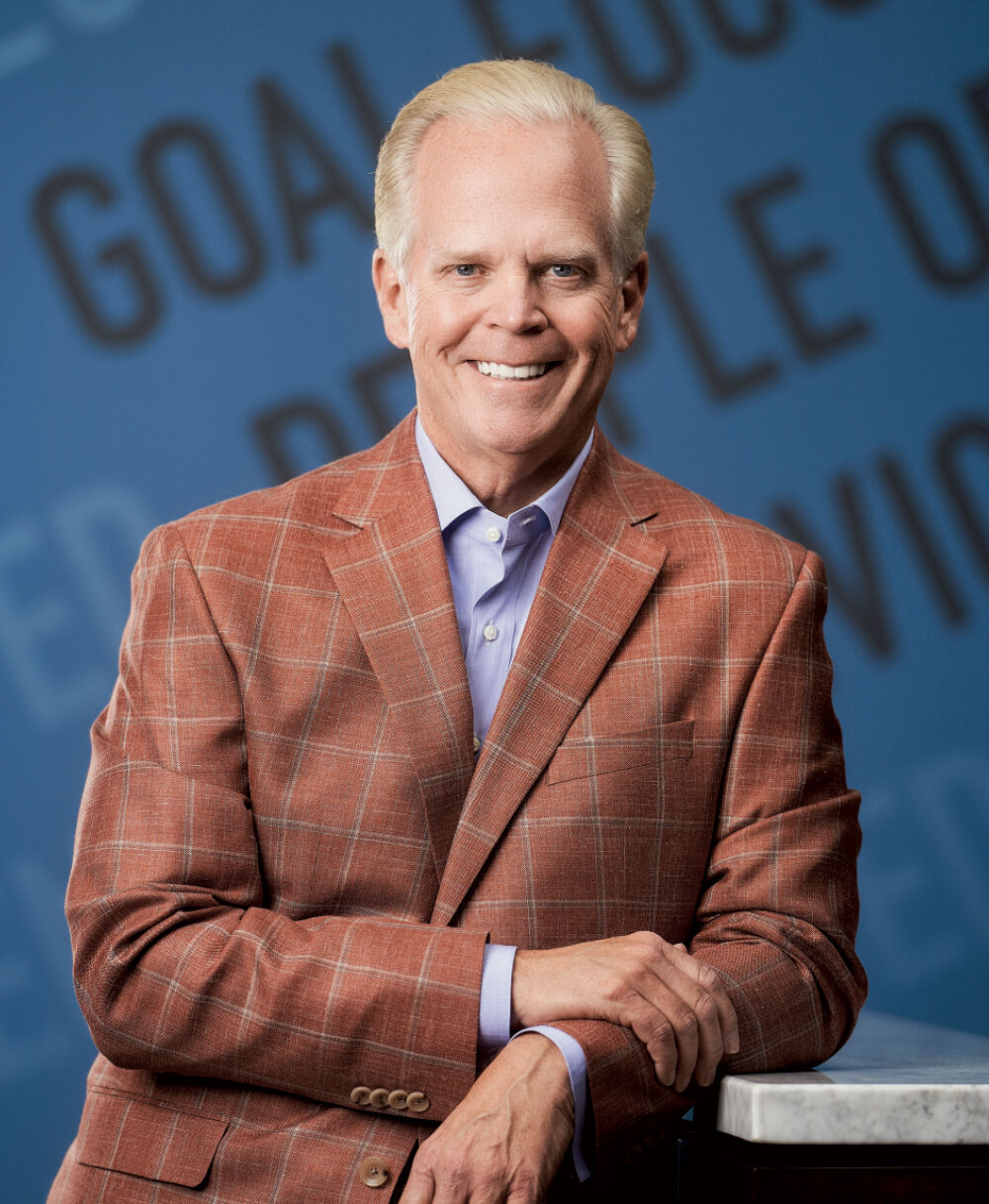
Tom Garrett leads GPS Hospitality, which has more than 400 Burger King restaurants open in 13 states.
“We believe that such economic assistance, along with our robust earnings profile, makes it an opportune time to accelerate the modernization of our portfolio and reap the benefits of our investment,” she said.
As of September 30, RBI, which also owns Tim Hortons, Popeyes and Firehouse Subs, said it had funded $33 million toward Fuel the Flame investments and $45 million toward Royal Reset investments.
Notable bankruptcies
On the opposite end of the spectrum, three major Burger King franchisees filed for Chapter 11 bankruptcy protection in 2023. (Legal and finance experts weigh in on the situation in this month’s Continental Franchise Review column, page 59.) The filings from franchisees TOMS King, Meridian Restaurants Unlimited and Premier Kings involved a total of 278 Burger King stores. Dan Dooley, chief restructuring officer in the TOMS case, said he expects this trend to continue into 2024 for brands, like Burger King, whose sales haven’t been as strong.
Burger King’s total U.S. restaurant footprint is continuing to shrink, down 2.8 percent in the third quarter compared with the year-ago period, to 6,864 units. Its total global restaurant count is 19,035.
Those bankruptcies, while unfortunate, don’t worry Garrett as he thinks about his company’s future.
“I think in the past, Burger King might have tried to nurse those along and keep them open,” he said of underperforming stores, “perhaps for the benefit of store count or perhaps the benefit of royalties and so forth.” Now, the franchisor is being more selective about who it brings on as franchisees, Garrett said.
“I hate to see anybody’s business fail,” he said. “And I feel bad for all the employees and the franchisees and so forth, but in my mind, it’s really a rebirth and a recommitment that Burger King and RBI has made to bring in great franchisees that are well capitalized and can run great restaurants, rather than just maintain or just get by.”
This story has been updated to reflect the January 16 announcement by Restaurant Brands International that it will acquire Carrols Restaurant Group.